
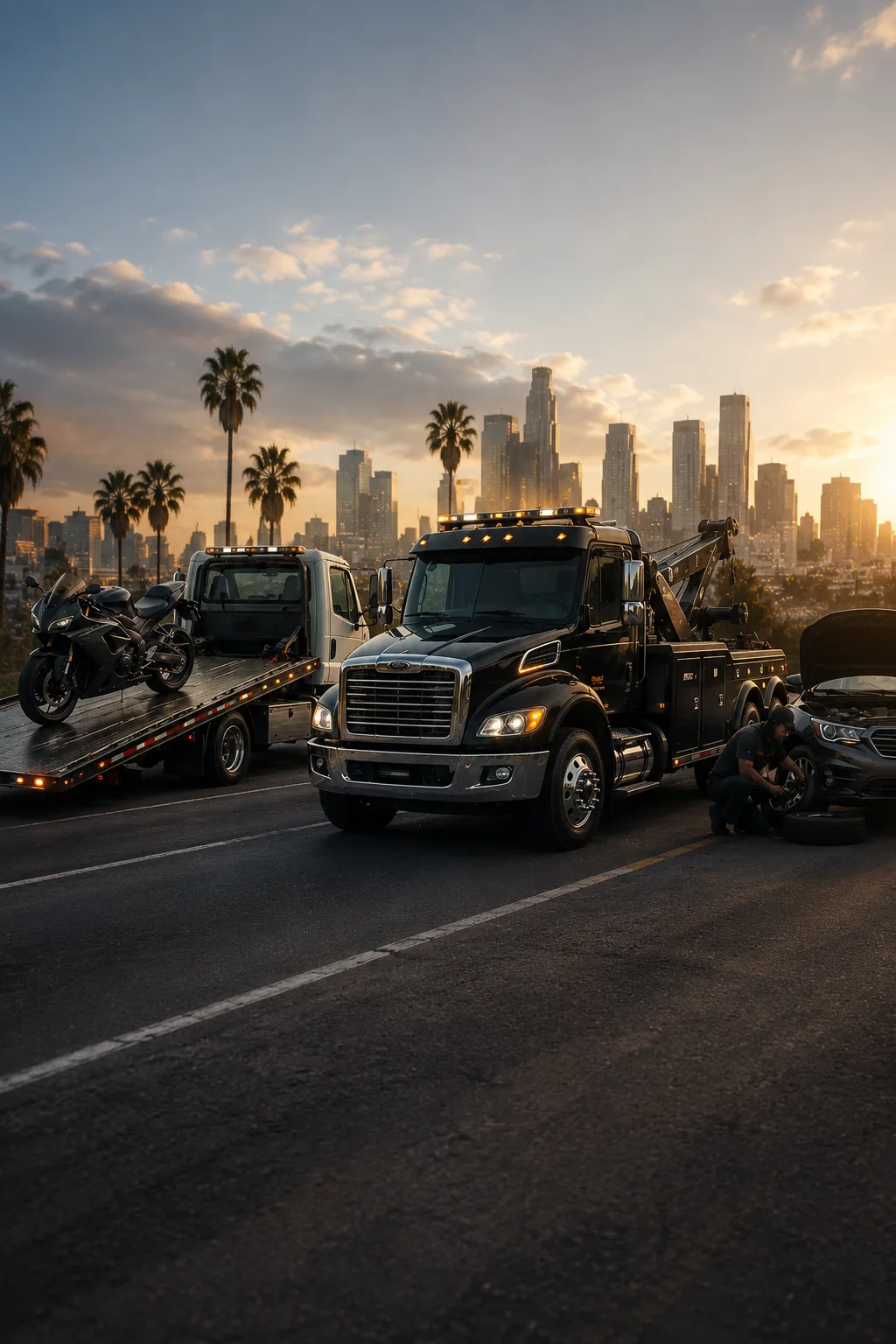


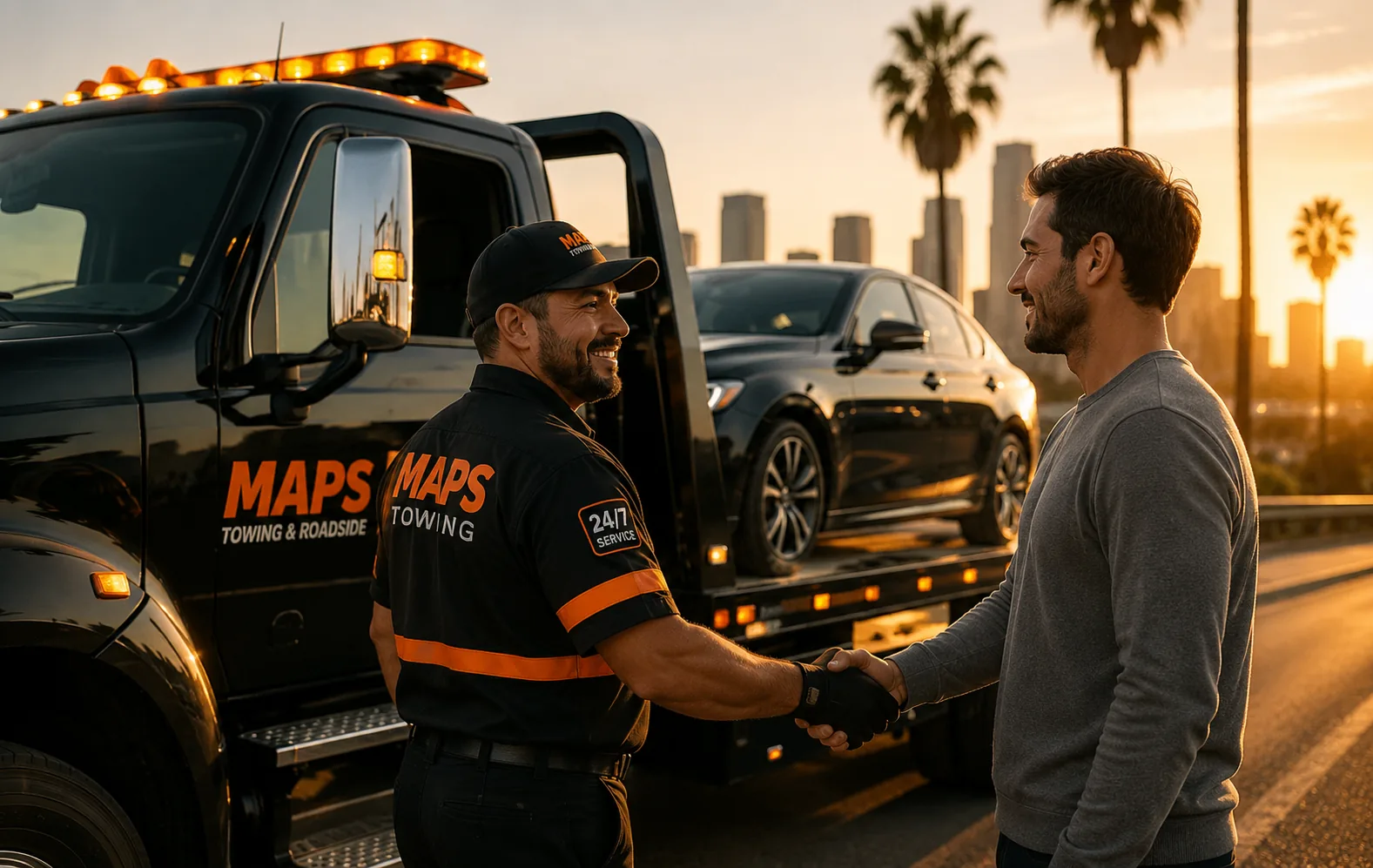


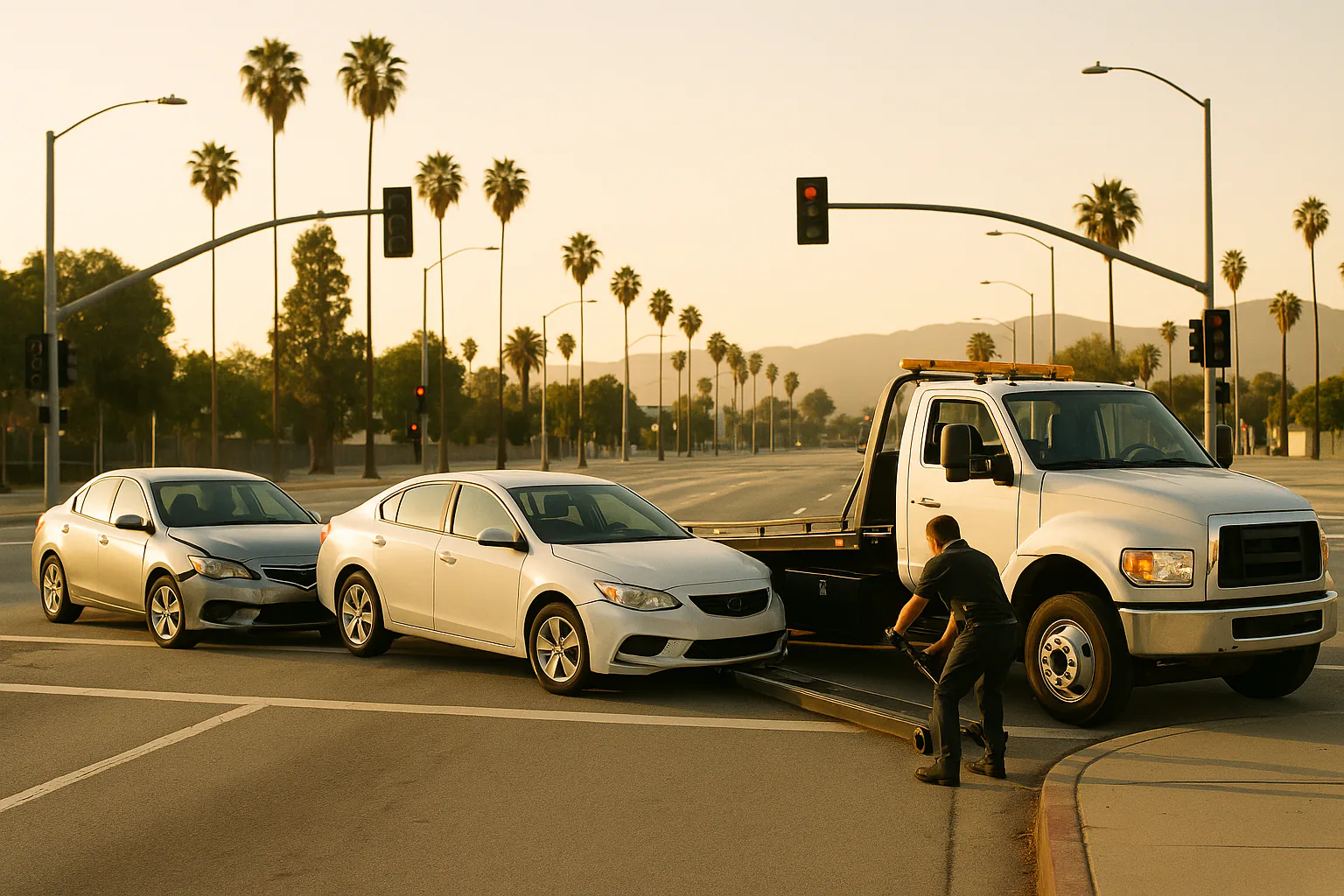
A car accident in Los Angeles can turn an ordinary drive into a confusing, high-pressure situation. Traffic keeps moving, horns start, and it may be hard to tell whether your car is safe to drive. The best response is a simple one: protect people first, document what happened, and make a careful decision about moving the vehicle.
Move Out of Traffic if You Can
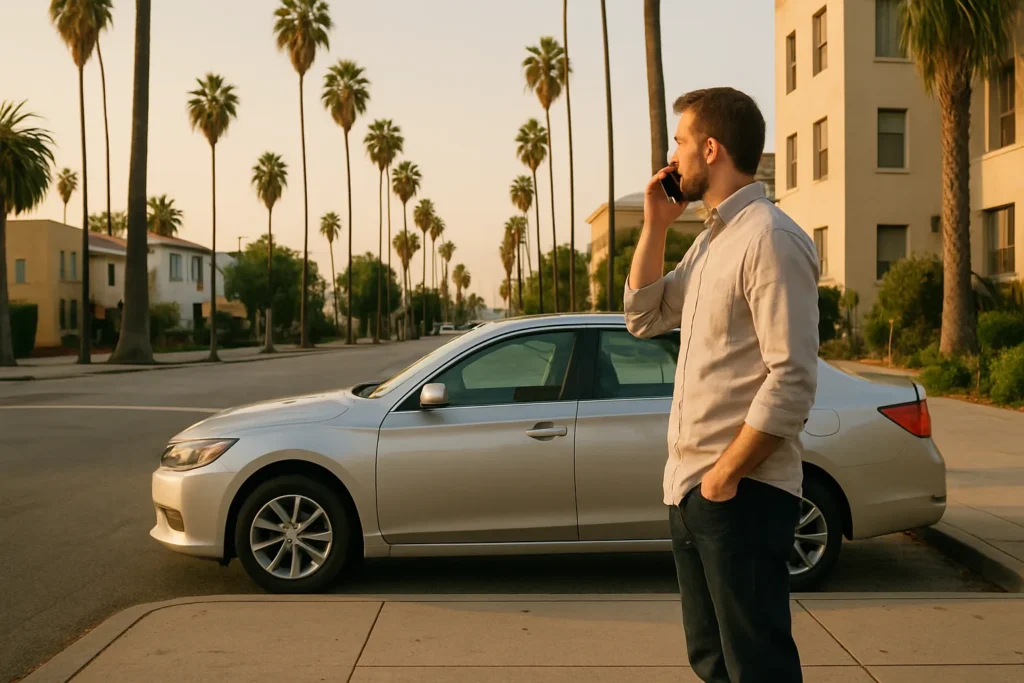
Take a breath, turn on your hazard lights, and check yourself and your passengers for injuries. If the vehicles can move and there is a safe shoulder, parking lot, or side street nearby, get out of the active lane. A minor collision becomes far more dangerous when damaged cars remain exposed to fast traffic.
Do not force a vehicle to move if a wheel is bent, fluid is leaking, smoke is visible, airbags deployed, or the steering and brakes do not feel normal. Moving a badly damaged car can make the damage worse or create another hazard.
If the vehicle cannot move
Keep your hazards on, stay belted if remaining inside is the safest option, and call 911 when the car is blocking traffic or anyone may be hurt. Follow the instructions from emergency personnel. Do not stand between vehicles or step into a travel lane to inspect damage.
Check for Injuries and Call for Help
Even a low-speed crash can cause injuries that are not obvious right away. Ask everyone involved whether they are hurt, but do not try to diagnose an injury at the roadside. Call 911 for injuries, fire, leaking fuel, a blocked lane, an unsafe location, or any situation that feels unstable.
When you call, give the dispatcher a precise location. In Los Angeles, that may mean the freeway name and direction, the nearest exit, a cross street, or a visible landmark. Clear location details help police, fire crews, and towing operators reach the correct side of a divided road.
Exchange Information and Document the Scene
Once everyone is safe, exchange names, contact information, driver’s license details, license plate numbers, and insurance information. Keep the conversation calm and focused on facts. You do not need to debate fault at the scene.
Photos worth taking
Use your phone to photograph the position of the vehicles, damage to every side of each vehicle, license plates, traffic signals, lane markings, debris, skid marks, and the wider intersection or roadway. Photograph insurance cards and note the time and weather. If witnesses stop, ask for their names and phone numbers.
Write down what you remember while it is fresh. A short factual note about your direction of travel, lane, signal, and what happened can be more useful than trying to reconstruct the sequence days later.
Do Not Drive a Car That May Be Unsafe
A car can look drivable while hiding serious problems. A damaged tire may fail after a few miles. A bent suspension part can affect steering. Coolant or oil loss can destroy an engine. Warning lights, rubbing sounds, leaking fluid, broken glass, damaged lights, or a loose bumper are all reasons to stop and arrange accident towing.
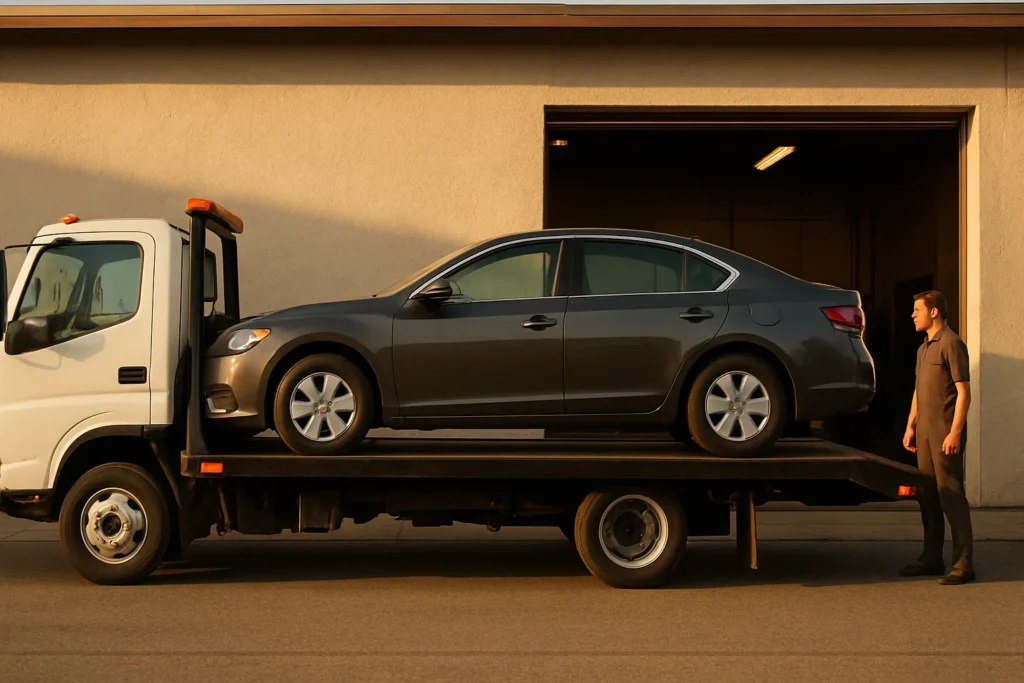
If you are unsure, choose the safer option. A professional towing operator can evaluate how the car should be loaded and move it without putting additional stress on damaged wheels or bodywork.
Choose the destination before the truck arrives
You can usually have the vehicle taken to your home, a repair facility, a body shop, or another location you choose. Confirm the destination, business hours, and after-hours drop-off process. Remove medication, identification, electronics, garage remotes, and other essentials before the vehicle leaves.
Give the Tow Dispatcher Clear Details
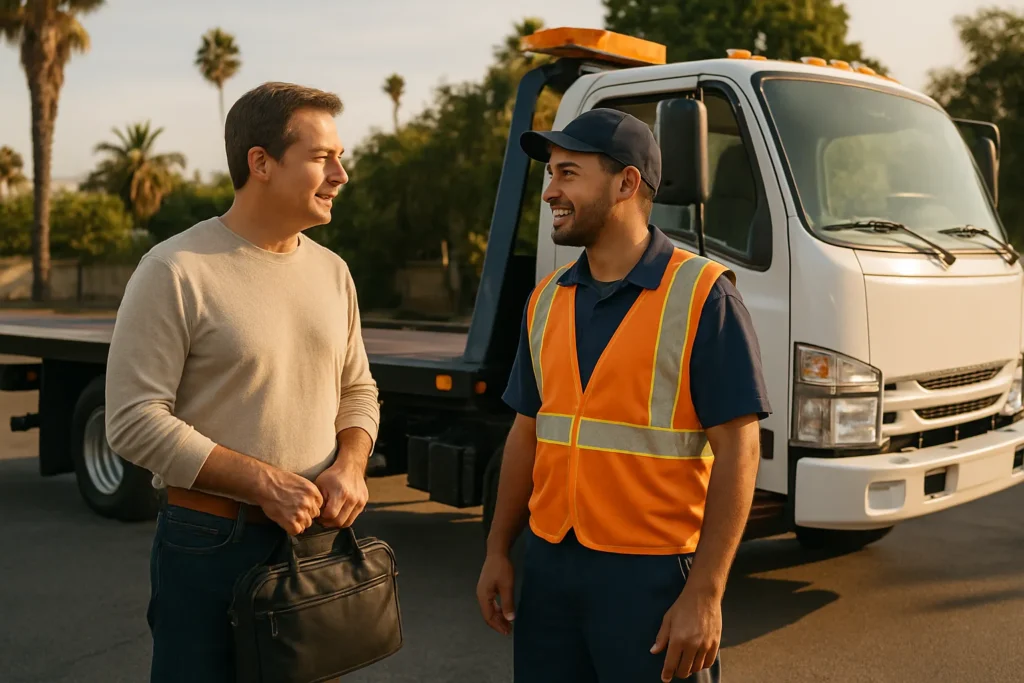
Tell dispatch the exact pickup location, vehicle year and model, visible damage, whether the wheels roll, whether airbags deployed, and where the car needs to go. Mention low ground clearance, all-wheel drive, or an electric drivetrain. Those details help dispatch send the right truck and loading equipment the first time.
Maps Towing serves Greater Los Angeles from Van Nuys and Burbank. Call for your current ETA. Arrival depends on your location, traffic, truck availability, service type, and access conditions.
Need Accident Towing in Los Angeles?
Stay in a safe location and let a professional handle the damaged vehicle. Maps Towing provides 24/7 accident towing and recovery across Greater Los Angeles. Call (818) 797-1560 and tell dispatch where you are, what you are driving, and what condition the vehicle is in.
Share: