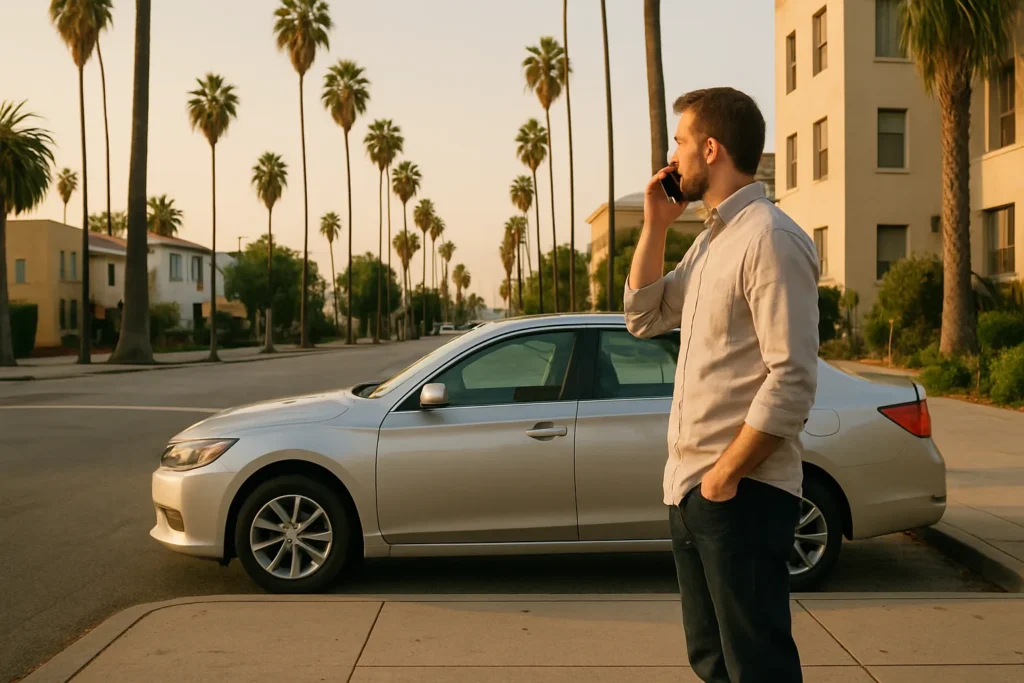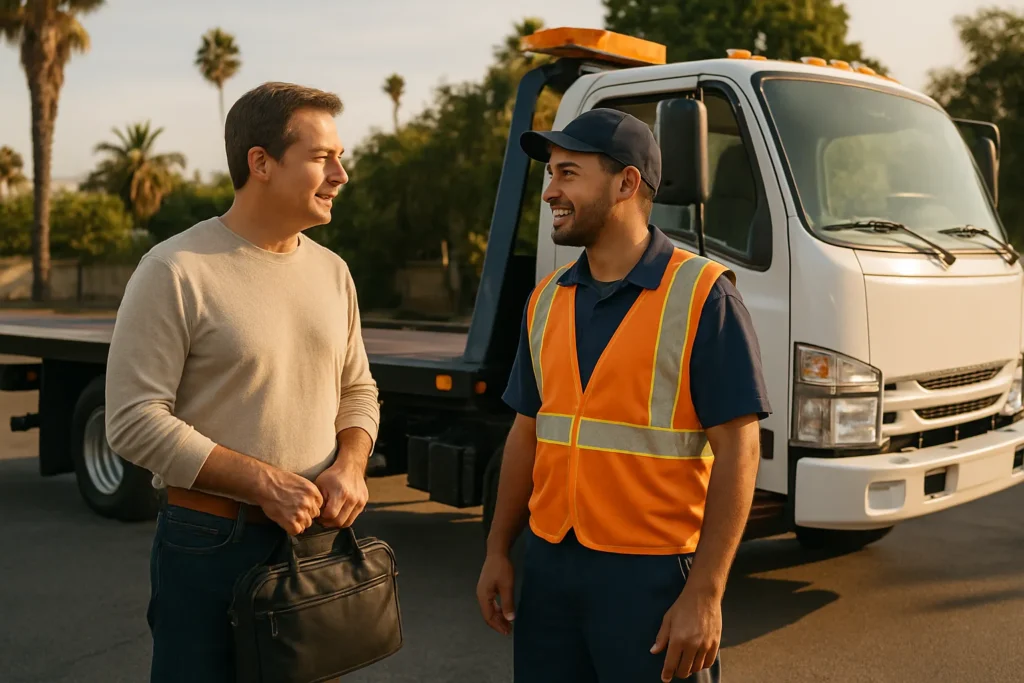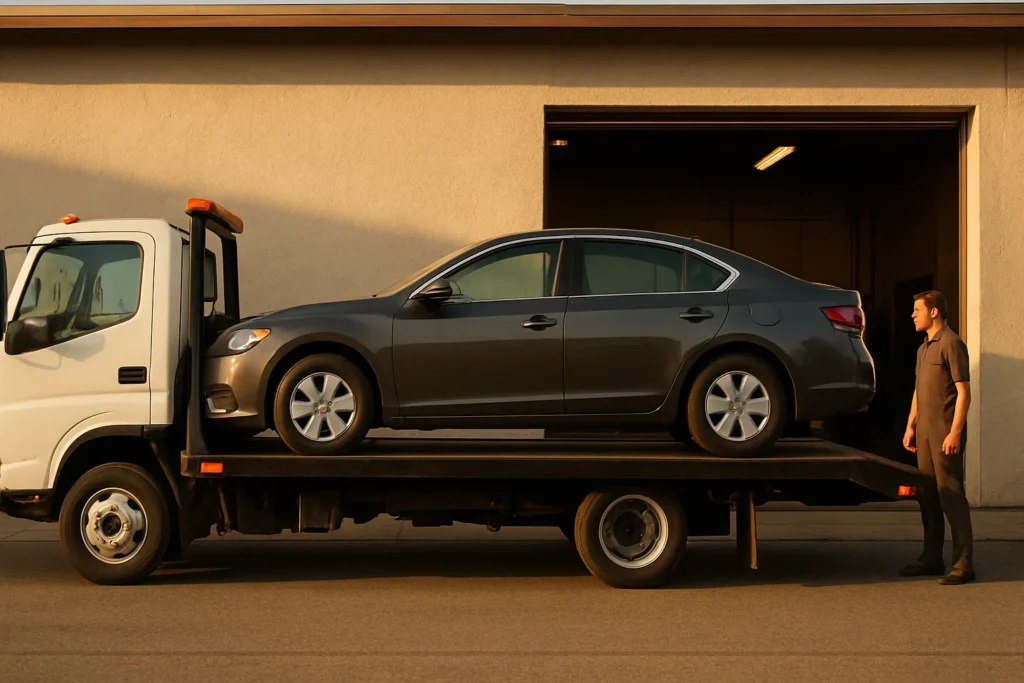






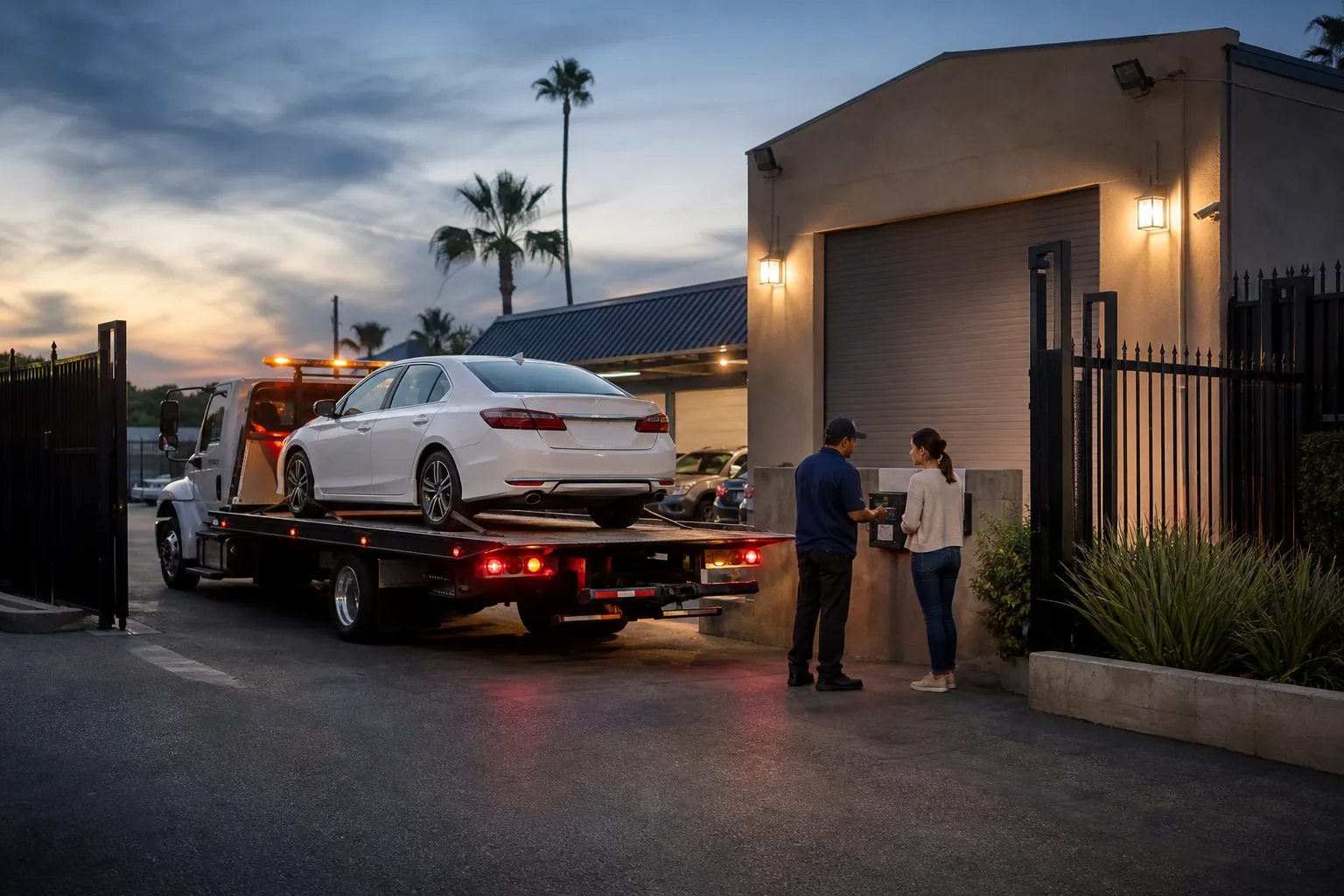
A breakdown does not wait for repair-shop hours. When a car stops late at night, early in the morning, or during a weekend, the immediate towing decision is often straightforward—but choosing where the vehicle should go requires planning.
Professional after-hours emergency towing in Los Angeles can move a disabled vehicle to a safe, authorized destination. Before the truck arrives, confirm whether the repair facility, dealer, home, or storage location can receive the car when its office is closed.
Make Safety the First Decision
Turn on the hazard lights and move out of traffic if the vehicle remains controllable. Call 911 when the car blocks a lane, was involved in a collision, is leaking fuel, or creates an immediate roadway danger. Follow instructions from police, fire crews, or freeway personnel.
At night, visibility is lower and drivers may have more difficulty judging a stopped vehicle’s position. Remain belted inside when that is safer than standing near moving traffic, unless there is fire, smoke, or another reason to exit. Keep children and pets secured.
Choose the Destination Before Dispatch
Decide whether the car should go to a repair shop, dealership, your home, an approved storage facility, or another location. The best destination depends on the problem, warranty requirements, property access, and whether the vehicle can be left securely.
Do not assume a closed shop accepts overnight deliveries. Call its after-hours number, check its website or voicemail instructions, and confirm the street address. Some businesses have separate service entrances or prohibit vehicles from being left outside a locked gate.
Ask About the Key-Drop Procedure
Many repair facilities have a secure key slot or envelope system, but the location and required information vary. Confirm where the vehicle should be parked, how the key should be labeled, and what contact details the shop needs. Never leave a key in an unmarked or visibly unsecured place.
If no approved drop procedure exists, choose another destination. The towing operator should not be asked to force entry, bypass a gate, or leave the vehicle where parking is prohibited.
Describe Access Restrictions Clearly
Tell dispatch about parking structures, height limits, narrow alleys, locked gates, steep driveways, loading docks, and security checkpoints. Provide a gate code only when you are authorized to do so. A map pin should be paired with the correct entrance and a recognizable landmark.
After-hours access can differ from daytime access. A driveway may be chained, a building entrance locked, or a garage attendant unavailable. Photos from a safe position can help show the approach, but do not enter restricted property or active traffic to take them.
Know When Roadside Assistance May Be Enough
A weak battery, simple lockout, flat tire, or empty fuel tank may be addressed through roadside assistance when the vehicle is in a safe work area and no related damage is present. Describe the symptom and location so dispatch can evaluate likely equipment needs.
A roadside fix is not appropriate when the car has collision damage, a severe leak, broken steering, locked wheel, or another condition that makes driving unsafe. If the cause is uncertain, towing to a suitable inspection location is the cautious choice.
Prepare for a Secure Handoff
Remove medication, identification, electronics, garage remotes, and other essentials before loading. Keep the registration, key, wheel-lock tool, and destination instructions ready. Photograph the vehicle’s condition and final drop location when it is safe and permitted.
Arrange separate transportation for passengers. Confirm who will receive the car, where the key will be placed, and how the repair facility can reach you. A short written note with the symptoms can help the shop begin its inspection the next business day.
Use a Towing Provider You Can Identify
At night, confirm the company name and truck information before handing over the vehicle. Ask where the car will be taken and request appropriate documentation. Our guide to choosing a Los Angeles towing company explains practical questions about equipment, destination, and communication.
Drivers in the eastern San Fernando Valley can review the Burbank towing service page for local coverage. Regardless of neighborhood, an exact pickup position and confirmed destination make an after-hours move smoother.
What to Tell Dispatch
Provide the year, make, model, drivetrain, condition, exact pickup point, destination, and access limitations. State whether the key is present, the vehicle rolls, steering works, parking brake releases, and wheels or suspension are damaged. Mention passengers, pets, or a trailer.
Keep your phone charged and remain reachable while the truck is traveling. If you relocate to a safer nearby position, update dispatch immediately and describe where you will meet the operator. Avoid accepting unsolicited assistance from an unidentified vehicle, especially when the pickup location is quiet or poorly lit.
Request After-Hours Towing
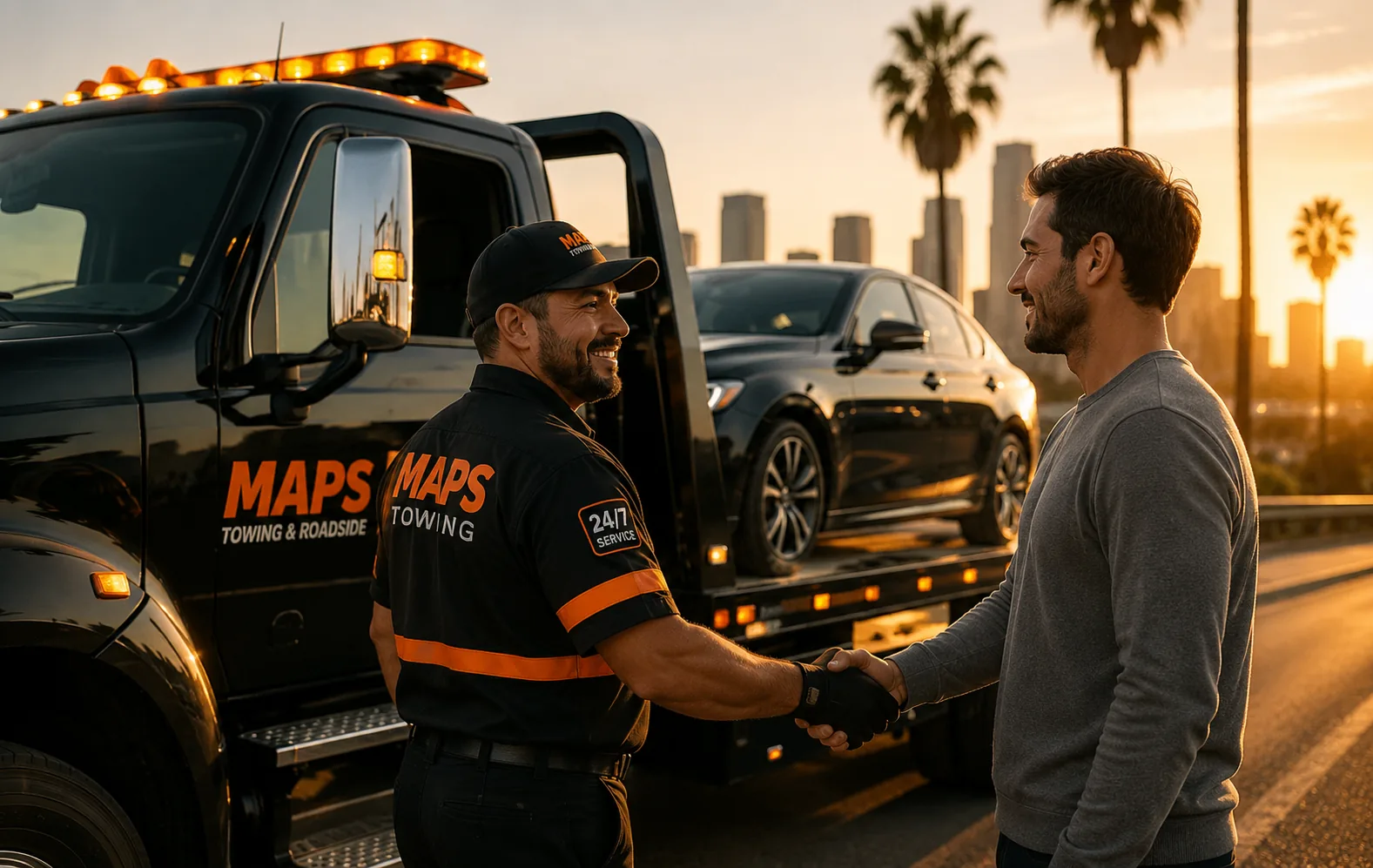
Maps Towing provides 24/7 towing and roadside assistance across Greater Los Angeles from Van Nuys and Burbank. Contact Maps Towing for planned or non-urgent questions. For immediate after-hours help, Call (818) 797 – 1560 with the vehicle, location, symptoms, access, and confirmed destination.
Share: