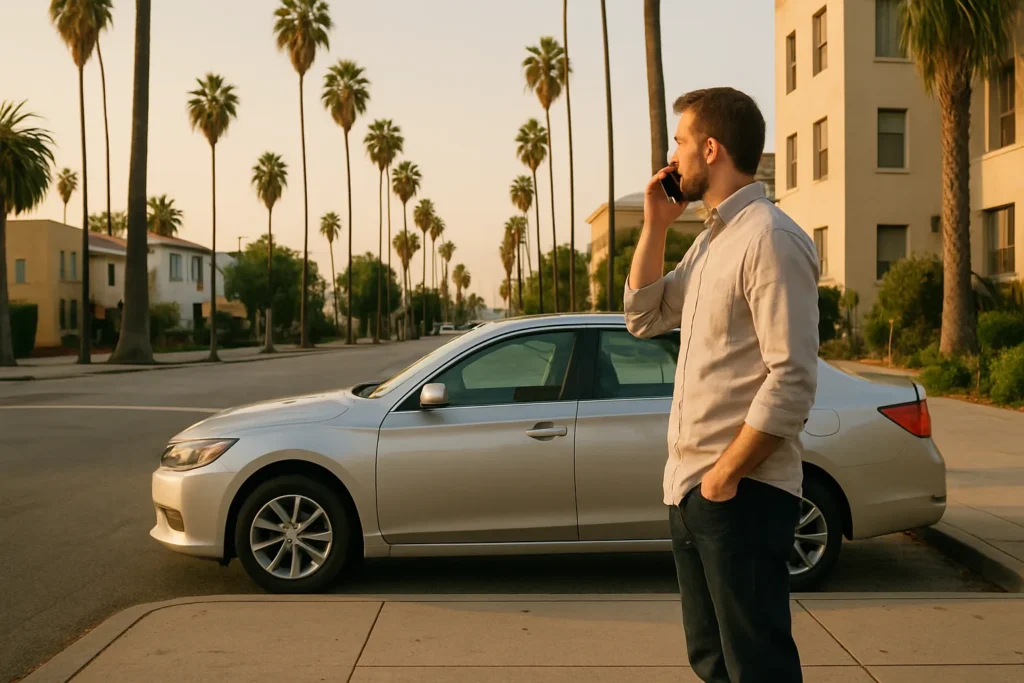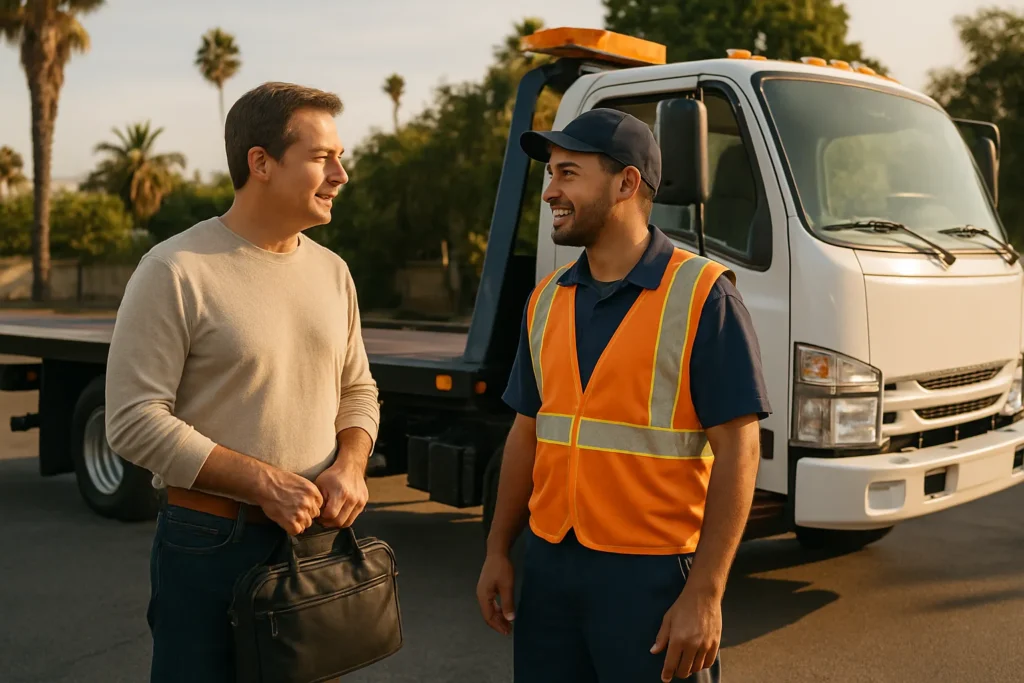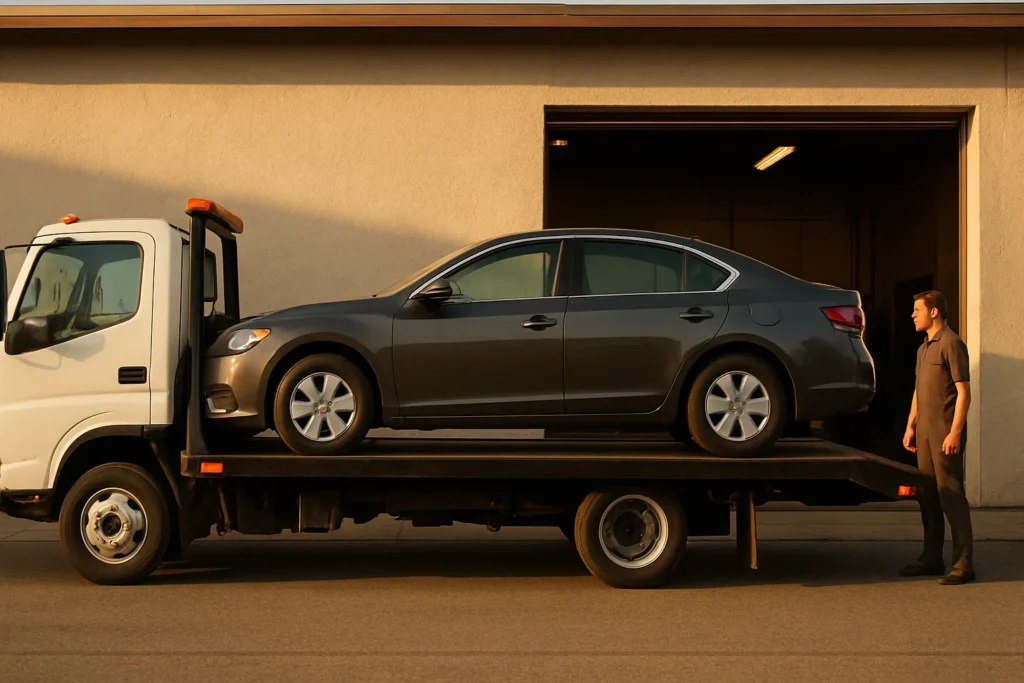





There is no honest one-price answer to the question, “How much does towing cost?” A short, simple tow from a parking lot is different from recovering a damaged truck on a steep shoulder. In Los Angeles, distance, traffic access, vehicle condition, and the equipment required all affect the final quote.
Understanding those factors makes it easier to describe the job accurately and compare towing quotes on equal terms.
Distance Is One Part of the Price
Most towing jobs include the work required to dispatch, connect, load, and unload the vehicle, plus the distance to the destination. A tow from Van Nuys to a nearby repair shop will not be priced like a trip across Greater Los Angeles.
Give dispatch both the pickup and drop-off locations. If you do not have a destination yet, say so. The operator may be able to take the vehicle home, to a dealership, or to a repair shop you select, but the distance needs to be known before anyone can give a useful estimate.
Vehicle Size and Drivetrain Matter
A compact sedan, a full-size pickup, a low sports car, and a loaded commercial van do not place the same demands on a tow truck. Larger or heavier vehicles may require higher-capacity equipment. Very low vehicles may need ramps, blocks, or a lower loading angle.
Drivetrain matters too. Many all-wheel-drive vehicles and electric vehicles should be transported with all four wheels off the road. Tell dispatch the year, make, model, and drivetrain if you know it. That helps the towing company choose a suitable flatbed or wheel-lift setup instead of changing equipment after arrival.
Condition can change the equipment needed
A vehicle that rolls and steers is usually simpler to load than one with a locked transmission, missing wheel, collapsed suspension, or accident damage. If the parking brake will not release or the keys are unavailable, mention that during the first call. Specialized dollies, skates, a winch, or extra recovery work may be necessary.
Pickup Location Affects the Job
Access is a major part of towing cost in Los Angeles. A level residential street gives an operator room to position a truck. A tight underground garage, busy freeway shoulder, narrow alley, steep driveway, or vehicle boxed in by other cars takes more planning and time.
Describe the surroundings, not just the street address. Tell dispatch about height restrictions, sharp turns, locked gates, low branches, or a vehicle parked nose-first against a wall. Photos can help the company understand the setup before sending equipment.
A Tow Is Different From a Recovery
A standard tow begins with a vehicle that is accessible from the roadway. Recovery means the operator first has to move the vehicle out of a ditch, off a curb, away from a barrier, or out of another difficult position. Winching, accident debris, damaged wheels, and unusual angles can add labor and equipment to the job.
Be direct about what happened. Saying that a car is “on the shoulder” when it is actually down an embankment can produce the wrong quote and delay the recovery.
Timing and Road Conditions Can Affect Service
Traffic, weather, road closures, and scene safety influence how a towing job is handled. An operator working beside fast freeway traffic may need extra precautions. A collision scene may also require clearance from law enforcement before the vehicle can be moved.
Ask whether the quote covers the complete job as described, including hookup, expected mileage, required equipment, and the planned destination. If the situation changes after the truck arrives, ask the operator to explain any additional work before it begins whenever conditions allow.
Storage is separate from transportation
If a vehicle goes to a storage yard instead of directly to a home or repair shop, storage and release rules may apply. Ask where the vehicle is going, when it can be accessed, and what documents will be needed. Choosing an open repair facility or a secure destination you control can simplify the handoff.
How to Get a More Accurate Towing Quote
Have five details ready: your exact location, the vehicle year and model, its current condition, the destination, and any access problem. Mention passengers, pets, trailers, or cargo that may affect the move. The more complete the description, the more useful the quote will be.
Do not choose a towing service based only on a vague low number. Confirm who is coming, what equipment is being sent, and what the quoted work includes.
Request a Clear Los Angeles Towing Quote
Maps Towing provides 24/7 towing and roadside assistance from Van Nuys and Burbank. For a quote based on your actual vehicle, location, and destination, call (818) 797-1560. Clear details at dispatch help us send the right truck and explain the expected cost before the tow begins.
Share: