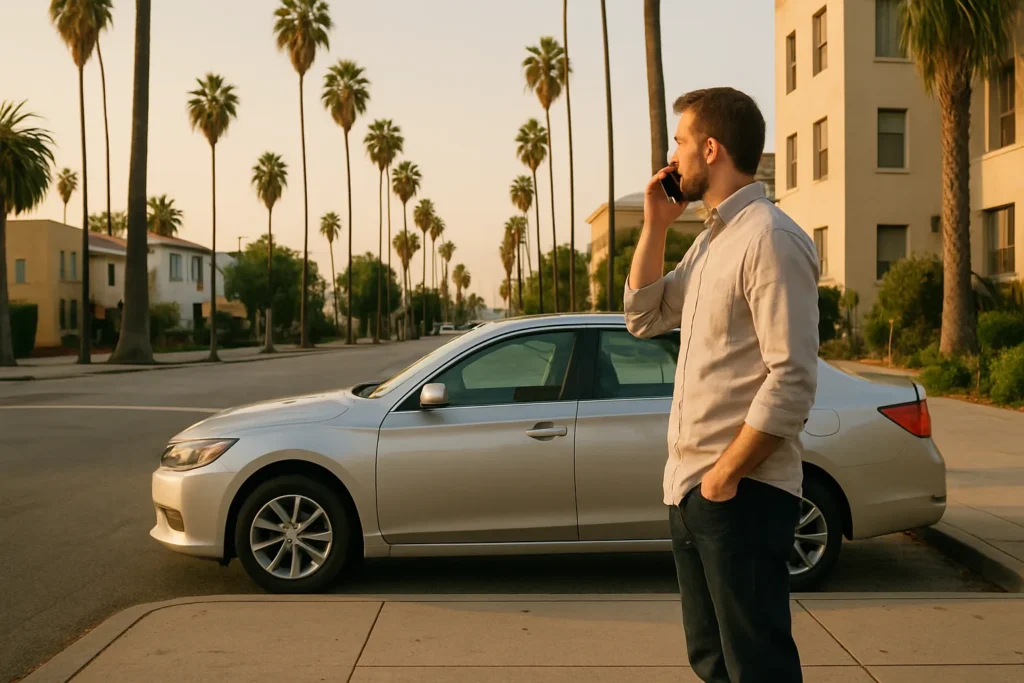







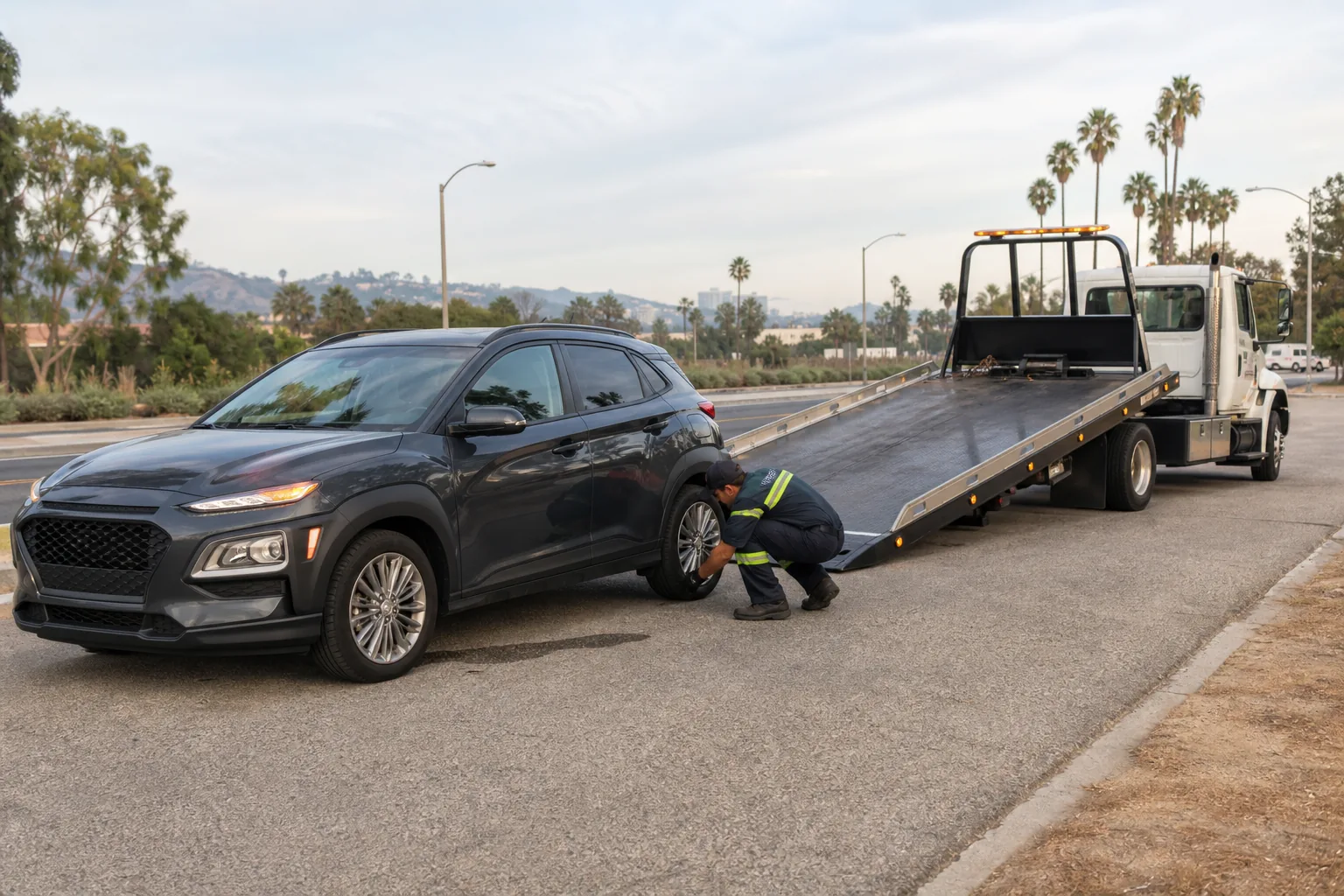
A transmission problem can appear as slipping, delayed engagement, harsh shifting, unusual noise, a warning message, or a vehicle that will not move despite engine power. Continuing to drive may increase damage and can leave the car stopped in a more dangerous location.
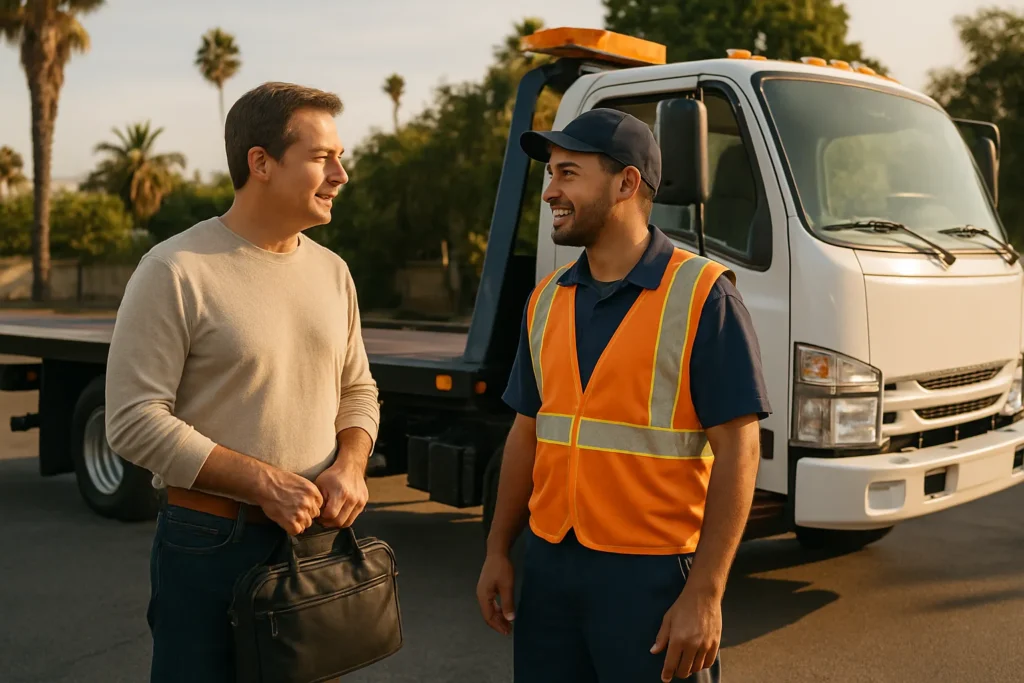
If the vehicle cannot accelerate or shift normally, move out of traffic while control remains and arrange a professional tow truck service in Los Angeles. The towing method should account for drivetrain type, whether the wheels roll, and the manufacturer’s transport instructions.
Recognize Common Warning Signs
Possible transmission symptoms include engine speed rising without matching vehicle speed, hesitation when selecting Drive or Reverse, sudden gear changes, shuddering, grinding, whining, or a burning odor. A warning light may appear, but not every mechanical problem produces an immediate message.
One symptom does not confirm a specific failure. Engine, axle, sensor, brake, or electrical problems can feel similar from the driver’s seat. Describe exactly what happened instead of guessing at the failed part.
Stop Before the Vehicle Loses Movement
When the car still responds, signal, turn on the hazard lights, and move toward a safe curb, parking area, or wide shoulder. Avoid hard acceleration, repeated shifting, or trying to force the vehicle up a hill. If it stops in a live lane, call 911 and remain in the safest available position.
Do not keep testing Drive, Reverse, and Park when the vehicle makes a severe noise or fails to engage. Repeated attempts can create heat or additional internal damage. Set the parking brake when appropriate and wait for professional help.
Check for Leaks Without Going Under the Car
Look at the pavement from a safe standing position. Fresh red, reddish-brown, amber, or dark fluid may be related to the transmission or another vehicle system. Color alone is not a reliable diagnosis, especially on a dirty surface.
Do not touch unknown fluid or crawl beneath the vehicle. Tell dispatch about the location and approximate amount of any leak. If there is smoke, fire, a strong fuel odor, or fluid entering traffic, move away and contact emergency services.
Why Flatbed Transport Is Often Appropriate
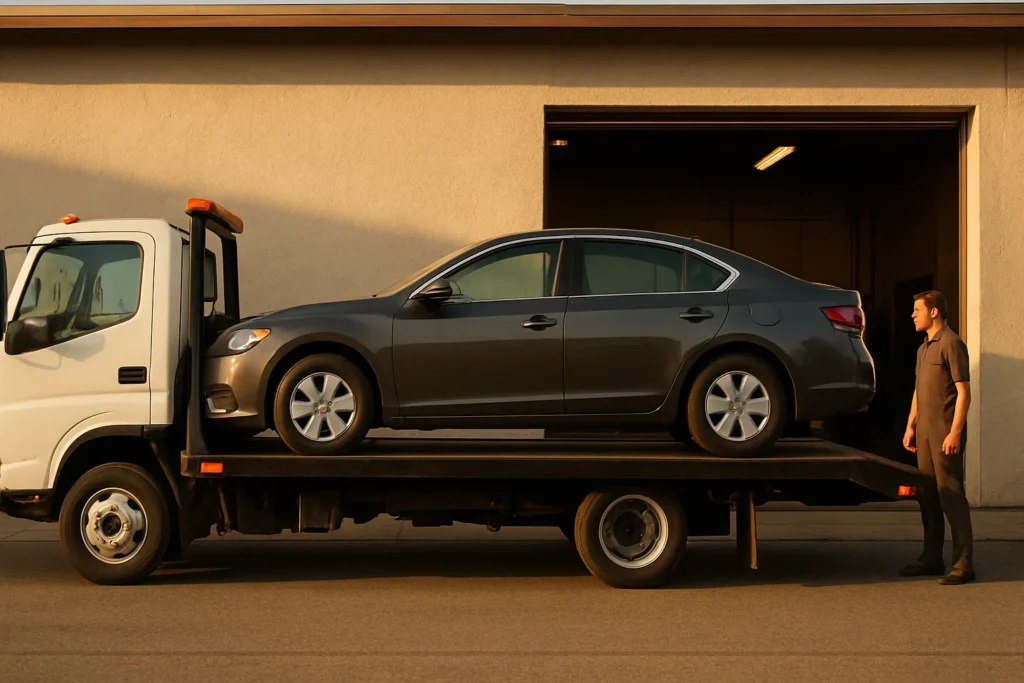
Allowing drive wheels to rotate can damage some vehicles when the transmission or driveline is compromised. All-wheel-drive systems may also have strict transport requirements. A flatbed tow truck keeps all four wheels off the road during transport.
The owner’s manual remains the controlling reference. Tell the operator the exact year, model, drivetrain, and symptoms. If the transmission will not shift into neutral or the parking brake will not release, wheel skates, dollies, or another loading method may be needed.
A No-Move Condition May Have Another Cause
A car that will not move could have a failed axle, locked brake, damaged wheel, electronic control fault, or another mechanical problem. A no-start condition has a different set of possibilities; review the top reasons a car will not start for battery, starter, charging, fuel, and security-system clues.
Tell dispatch whether the engine runs, the shifter moves, the dashboard identifies a gear, and the wheels appear locked. These details help distinguish a car that will not start from one that starts but cannot transfer power to the road.
Choose an Appropriate Repair Destination
Confirm that the shop can diagnose the vehicle’s transmission or driveline and can accept it when the truck arrives. Ask about business hours, after-hours key drop, gate access, and where the car should be placed. If warranty coverage may apply, verify whether a dealer or approved facility is required.
For drivers in the central San Fernando Valley, our Van Nuys towing service page provides local coverage information. The exact pickup and destination still matter, particularly inside garages or restricted lots.
Prepare the Vehicle for Loading
Keep the key, registration, wheel-lock tool, and owner’s manual available. Remove medication, electronics, garage remotes, and other essentials. Tell the operator about low suspension, locked steering, collision damage, or an electronic parking brake that is not responding.
Do not attempt to disconnect driveline components yourself. The operator will evaluate how the vehicle should be loaded and secured based on access, condition, and manufacturer instructions.
Avoid Common Roadside Mistakes
Do not add transmission fluid unless you know the correct specification, level-check procedure, and cause of the loss. An incorrect fluid or overfilled system can create another problem, while a substantial leak may empty again immediately. Likewise, do not clear warning codes or disconnect the battery solely to make a message disappear before diagnosis.
If the vehicle begins moving again after cooling down, that does not prove the fault is resolved. Intermittent slipping or delayed engagement can return without warning. Preserve the symptoms for a technician and use a tow when normal, predictable movement has not been restored.
Arrange Transmission-Related Towing
Maps Towing provides 24/7 towing and roadside assistance across Greater Los Angeles from Van Nuys and Burbank. Contact Maps Towing for non-urgent questions. For a vehicle that will not shift or move normally, Call (818) 797 – 1560 with the model, drivetrain, symptoms, location, access, and destination.
Share: