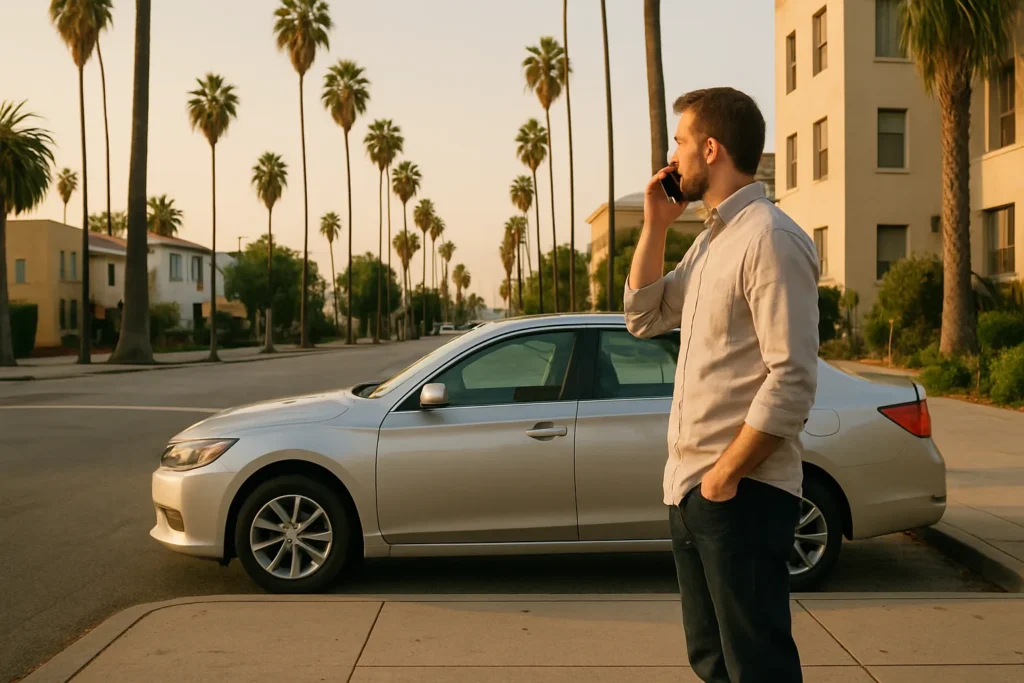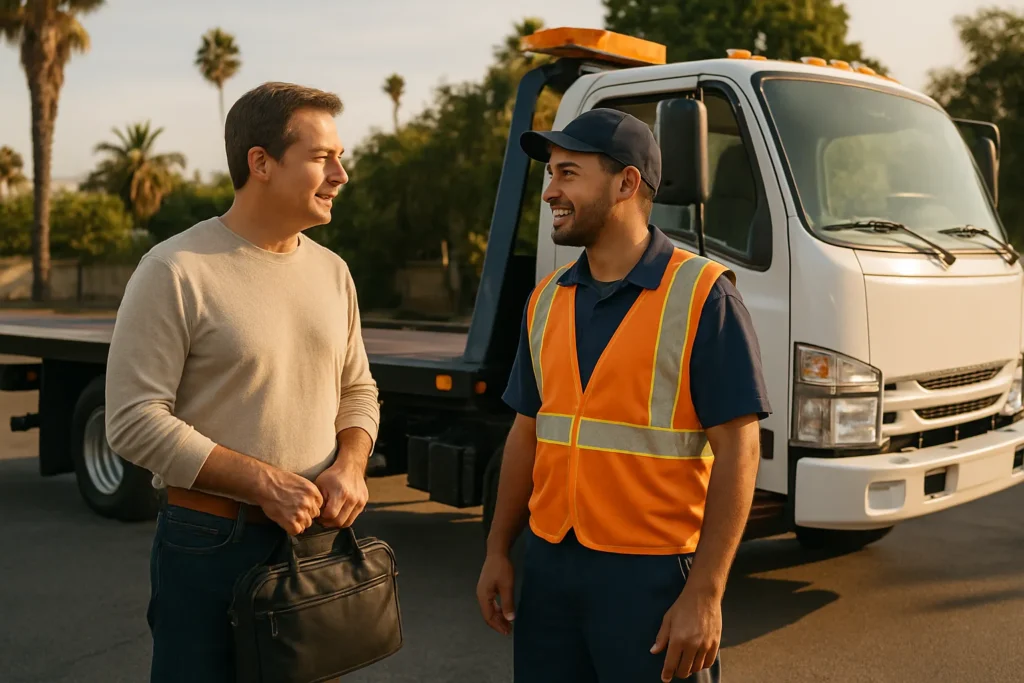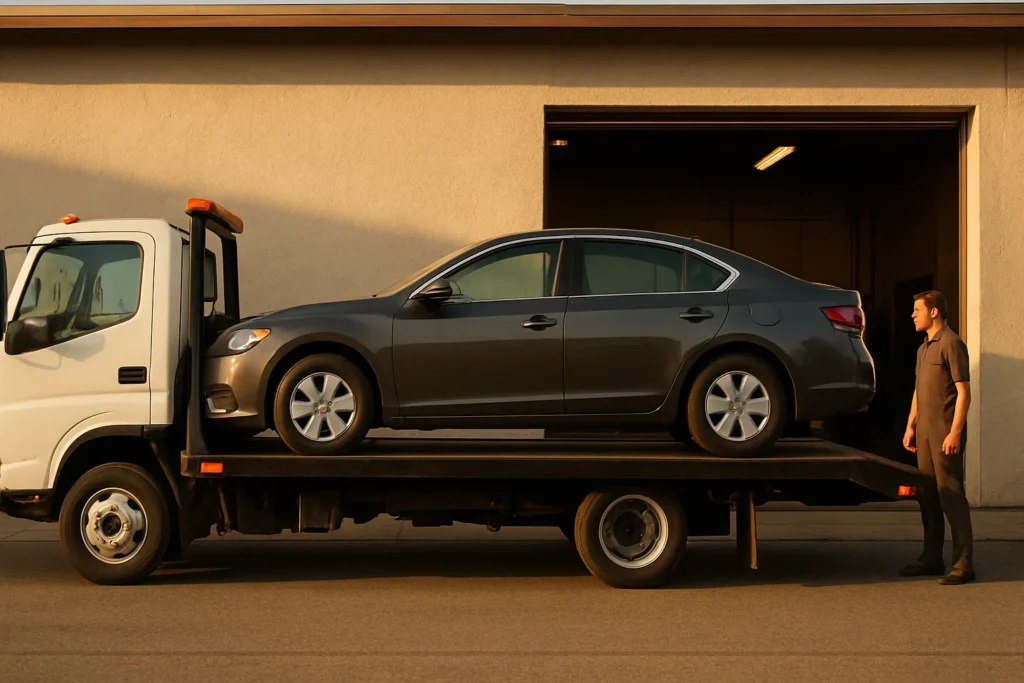

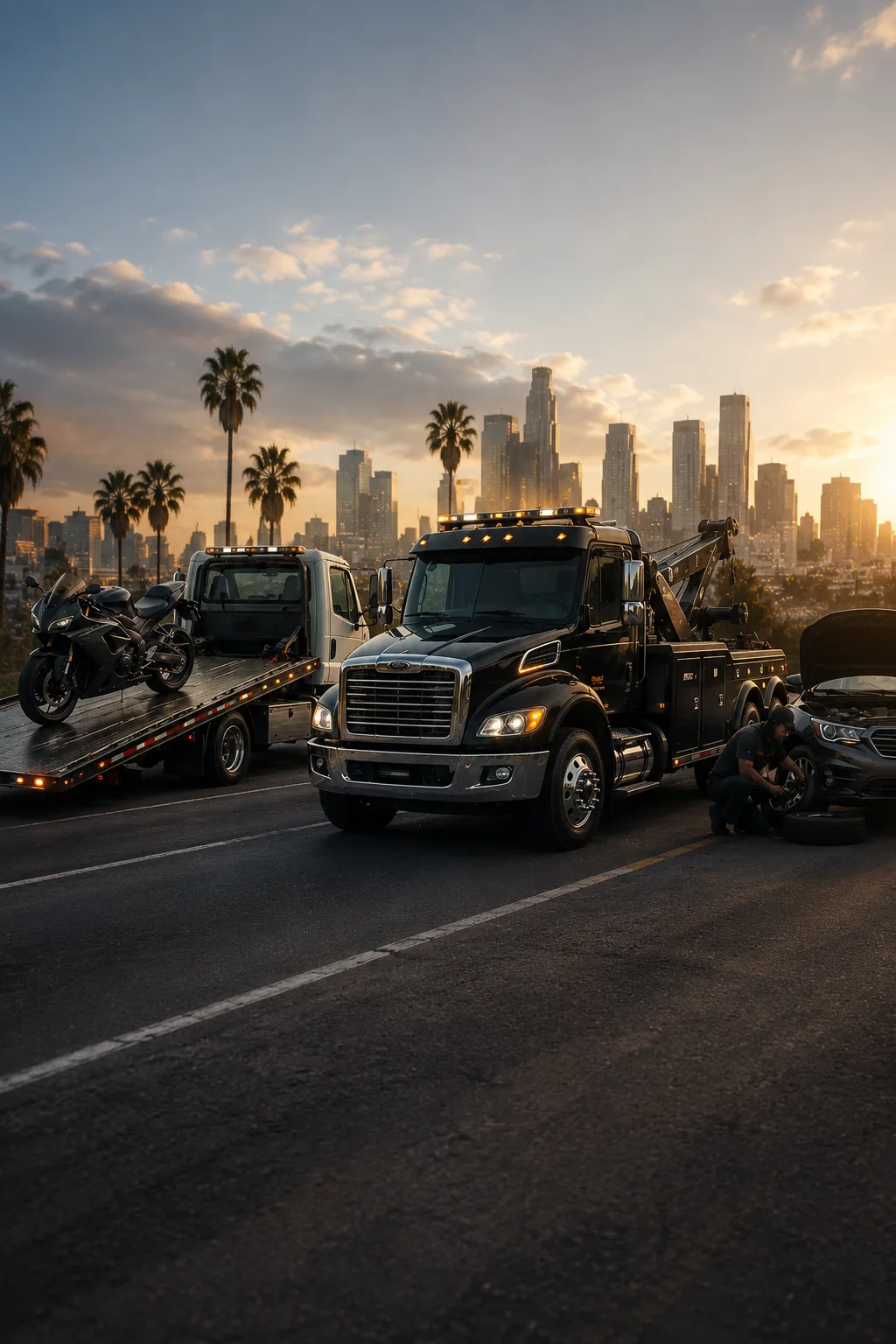




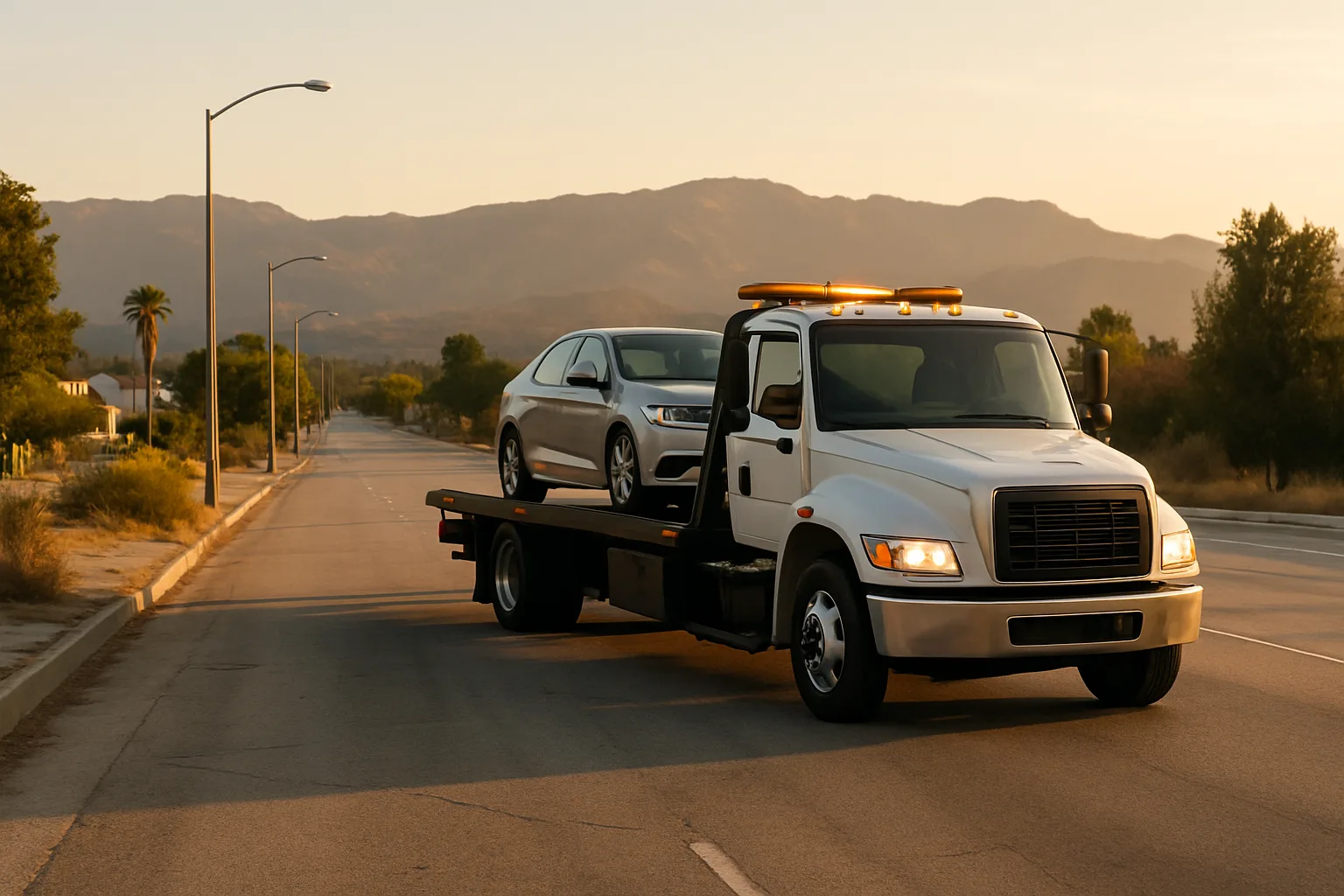
The San Fernando Valley covers a wide mix of freeways, major boulevards, residential streets, industrial blocks, and hillside approaches. A tow from a wide shoulder near Van Nuys is a different job from a disabled car in a Studio City garage or a collision near a freeway interchange. The fastest way to get the right help is to describe the vehicle, the problem, and the exact access conditions before a truck is dispatched.
This guide explains how towing works across the Valley, what information matters, and how to make a stressful breakdown safer and easier to manage. That preparation also prevents avoidable delays.
Why San Fernando Valley Towing Calls Require Local Planning
Freeways and major corridors
The 101, 405, 118, and 170 carry traffic through different parts of the Valley. Interchanges can place two similarly named ramps on opposite sides of several lanes, and a location that looks close on a map may require a long loop to reach in the correct direction. If you are on a freeway, give the route number, direction of travel, nearest exit, and whether you are before or after that exit.
Surface streets bring their own challenges. Ventura Boulevard, Sepulveda Boulevard, Victory Boulevard, Roscoe Boulevard, and Van Nuys Boulevard can be busy even outside commute periods. Tell dispatch whether the vehicle is in a travel lane, a center turn lane, a parking lot, or a curb space. If the vehicle blocks traffic or anyone is injured, call 911 before arranging a tow.
Neighborhood access changes the equipment
A compact wheel-lift truck may be useful in a tight driveway or crowded curb lane. A flatbed may be the safer choice for an all-wheel-drive vehicle, an EV, a low-clearance car, or a vehicle with wheel or suspension damage. In a garage, gate clearance and turning space matter as much as the vehicle itself. Share height restrictions, gate instructions, and the level where the car is parked.
What to Do Before Calling for a Tow
Move out of active traffic if the vehicle can travel safely to a shoulder, side street, or parking area. Turn on the hazard lights, set the parking brake, and keep passengers away from moving lanes. Do not force the car to move if it is leaking fluid, smoking, making grinding noises, or sitting on a visibly damaged wheel.
Then collect the details a dispatcher needs:
- Exact location, travel direction, and a nearby cross street or exit
- Vehicle year, make, model, drivetrain, and approximate condition
- Whether the keys are available and the transmission shifts to neutral
- Whether all wheels roll and the parking brake releases
- Pickup access, destination, and any garage or gate restrictions
Drivers near central Valley neighborhoods can review the local coverage page for Van Nuys towing, with the same planning principles applying in Studio City. For the eastern Valley, the Burbank service area provides location-specific guidance.
Match the Problem to the Right Service
Mechanical breakdowns and roadside problems
A dead battery, flat tire, lockout, or empty fuel tank may be handled through roadside assistance when the location provides a safe working area. A narrow shoulder or exposed traffic lane can make a simple repair unsafe. In that case, moving the vehicle to a protected location may be the better first step.
Tell dispatch what happened just before the vehicle stopped. Dashboard warnings, clicking sounds, overheating, a tire failure, or loss of power help determine whether a roadside attempt makes sense or whether the car should be transported.
Collisions, drivetrain concerns, and damaged wheels
After a collision, describe deployed airbags, leaking fluid, steering damage, bent wheels, and loose body panels. Do not assume the vehicle is safe to drive because the engine starts. An operator may need a flatbed, skates, dollies, or winching equipment to load the car without creating more damage.
For an urgent situation, review the available emergency towing service. If you are stopped on a high-speed route, the broader Los Angeles freeway breakdown safety guide explains how to choose a safer waiting position.
Choose the Destination Before the Truck Arrives
Confirm where the vehicle should go and whether someone can receive it. A repair shop may have an after-hours key drop, a designated parking row, or a closed gate. If the vehicle is going home, make sure the driveway or curb has space for unloading. Remove medication, identification, electronics, garage remotes, and other essentials before transport.
Clear instructions reduce phone calls while the operator is navigating Valley traffic. Keep your phone audible and be ready to describe a landmark or send a location pin, but confirm that the pin shows the correct side of a divided road.
Need Towing in the San Fernando Valley?
Maps Towing serves Greater Los Angeles from our Van Nuys and Burbank offices. Call for your current ETA; arrival depends on location, traffic, truck availability, service type, weather, and access. For 24/7 help, Call (818) 797 – 1560.
Share: