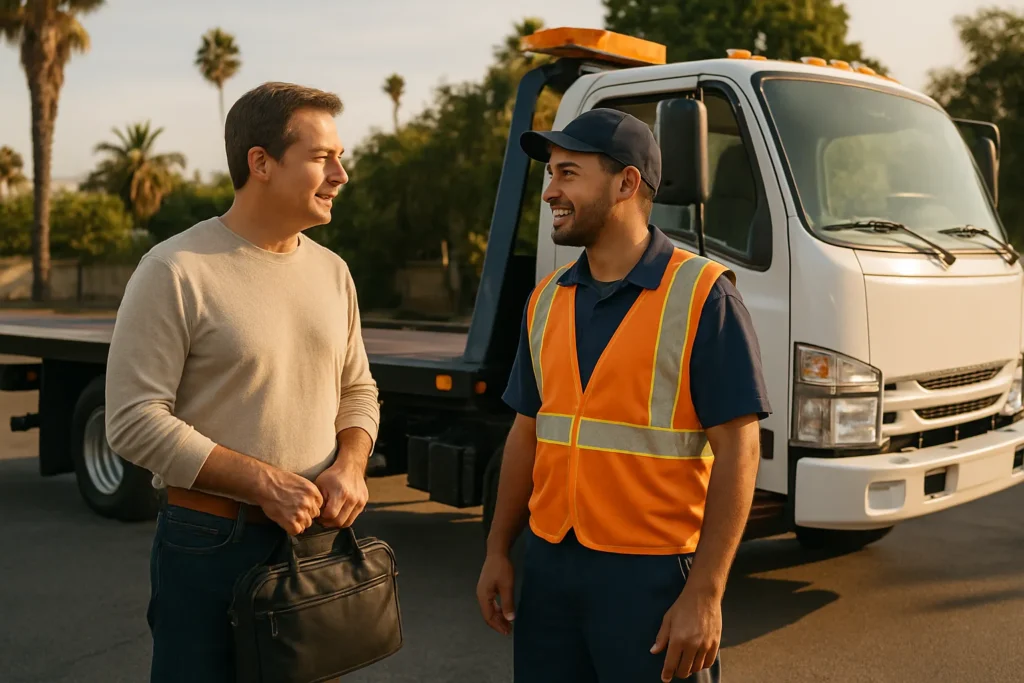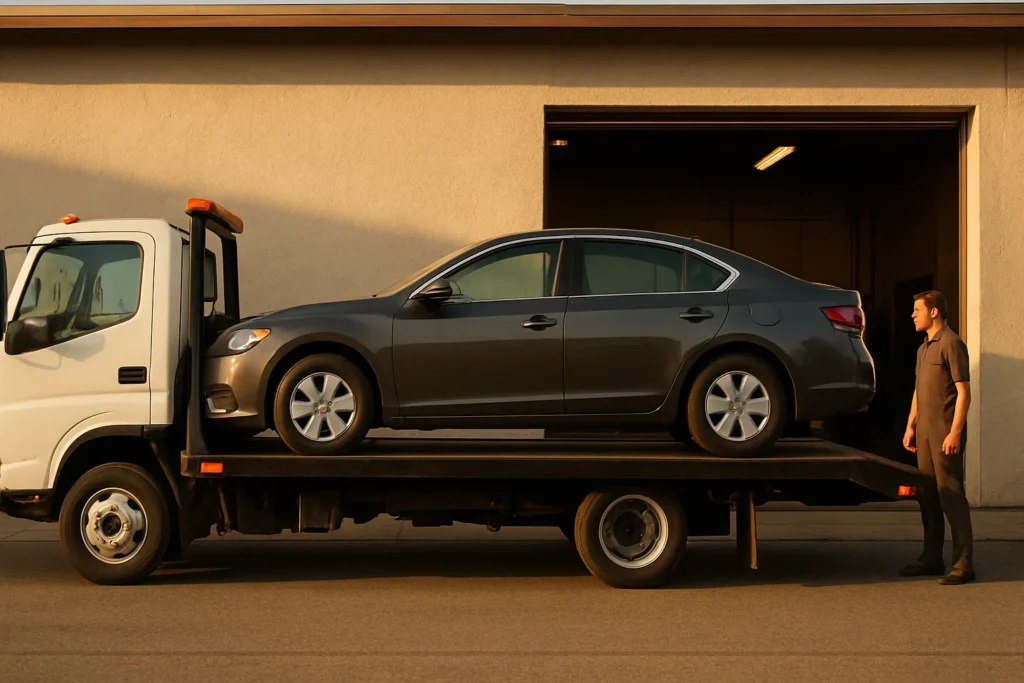







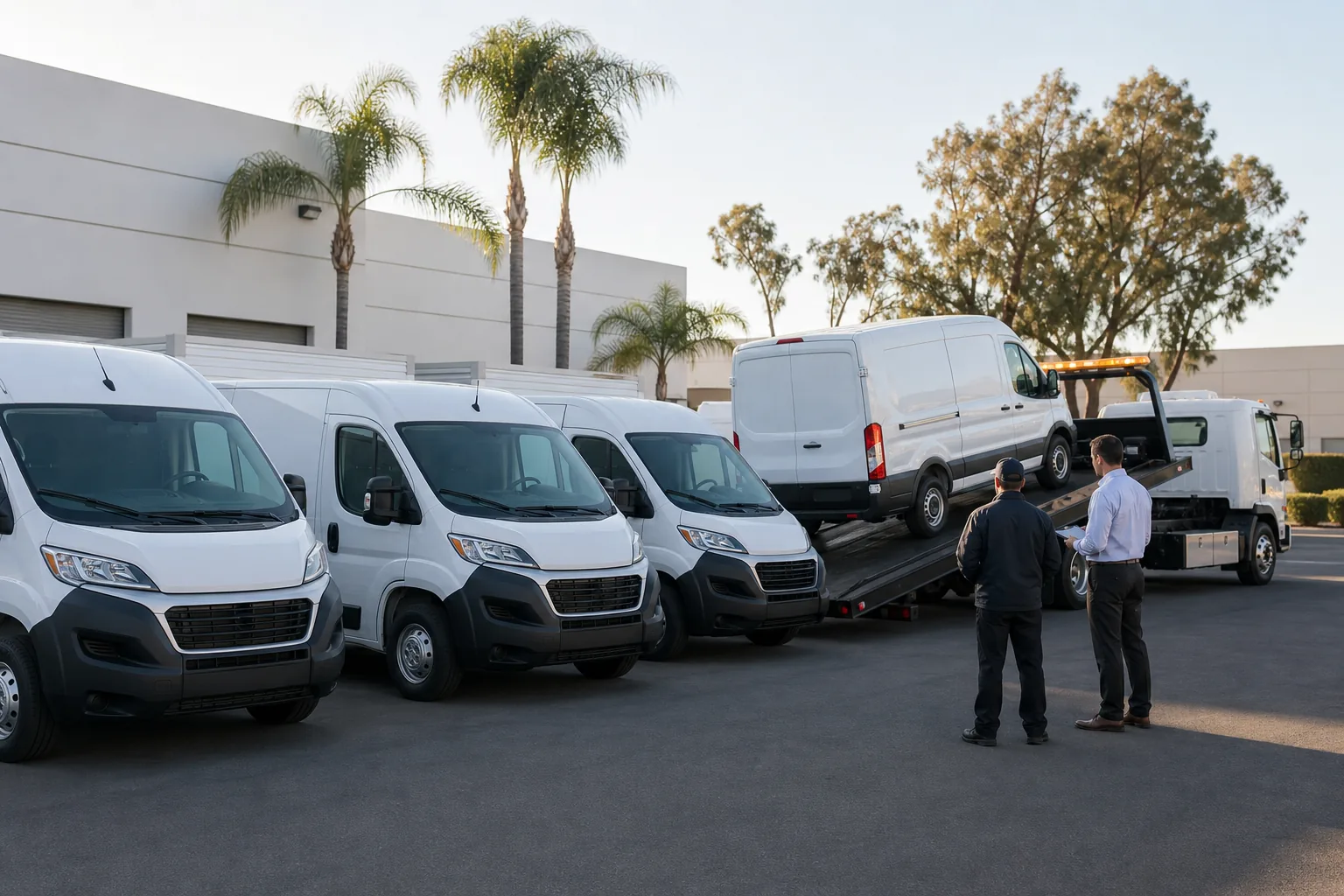
When a business vehicle stops, the disruption reaches beyond one driver. Deliveries may be delayed, technicians miss appointments, and managers must decide where the vehicle should go while keeping the rest of the fleet moving. A written response plan makes those decisions easier.
Reliable commercial fleet towing in Los Angeles starts before the breakdown. Vehicle records, driver instructions, approved repair destinations, and clear authority help the towing provider send appropriate equipment and reduce avoidable coordination.
Create a Record for Every Fleet Vehicle
Maintain the year, make, model, vehicle identification number, plate, gross vehicle weight rating, drivetrain, height, length, and common equipment for each unit. Note whether the vehicle regularly carries cargo, tools, refrigeration equipment, ladders, or a trailer.
Include information that changes towing requirements, such as all-wheel drive, low ground clearance, air brakes, electric propulsion, a lift gate, or a long rear overhang. Keep the record where dispatchers and drivers can reach it outside normal office hours.
Define What Drivers Should Do First
The first priority is safety, not diagnosing the problem. Drivers should turn on hazard lights, move out of traffic when the vehicle remains controllable, set the parking brake, and call 911 for a blocked lane, collision, injury, fire, leaking fuel, or another immediate danger.
A simple checklist can tell drivers whom to contact, which details to collect, and what they are authorized to approve. It should also tell them not to crawl under a vehicle, work beside moving traffic, or keep driving after overheating, oil-pressure loss, steering trouble, or serious tire damage.
Separate Roadside Problems From Tow-Only Problems
A weak battery, simple lockout, flat tire, or empty fuel tank may be addressed by roadside assistance when the vehicle is in a safe working location and has no related damage. The technician still needs accurate vehicle and access information.
Collision damage, broken steering, a locked wheel, transmission failure, fluid loss, or a repeated no-start may require transport to a repair facility. Larger box trucks, buses, and loaded commercial units may need heavy-duty towing equipment rather than a standard light-duty truck.
Preapprove Repair and Storage Destinations
List repair facilities that can accept each type of fleet vehicle. Record their hours, after-hours key-drop process, gate access, height limits, and contact person. A destination that handles passenger cars may not have the bay size or lifting capacity for a loaded work truck.
Decide who can change the destination if the preferred shop is closed. Also define when the vehicle should return to the company yard, go directly to a dealer, or be placed at a secure storage location. Clear rules prevent late-night calls from becoming a chain of unanswered approvals.
Give Dispatch a Complete Location
Los Angeles addresses can have multiple entrances, loading docks, parking levels, and divided-road access points. Drivers should provide the freeway direction or cross street, the correct driveway, lot or garage level, vehicle position, clearance height, and any gate code or security check-in.
A dropped pin is useful, but it should be paired with plain-language directions. Photos can show the vehicle and approach as long as the driver can take them without stepping into traffic. For fleets based in the central Valley, the Van Nuys towing service page outlines local coverage from one of Maps Towing’s dispatch locations.
Plan for Cargo, Keys, and Passengers
The business should decide how cargo, tools, temperature-sensitive goods, and customer property will be secured or transferred. Tell dispatch about unusual or regulated cargo. Do not ask a towing operator to handle material that requires procedures or authority outside the towing job.
Drivers should keep the key, registration, fleet number, and wheel-lock tool available. They also need a separate ride plan; tow trucks are not fleet shuttles. A manager should know when the vehicle is collected, where it is delivered, and who receives the keys.
Train Drivers on the Plan
A written procedure works only when drivers know where to find it and how to use it. Review the plan during onboarding and refresh it when vehicles, vendors, destinations, or managers change. A short practice exercise can reveal missing phone numbers, outdated gate instructions, and uncertainty about who approves a tow.
Drivers should know how to identify their unit, share a location pin, read dashboard warnings, and describe sounds without guessing at a diagnosis. Encourage them to report problems early instead of driving until a minor warning becomes a roadside stop. Clear communication protects the driver, vehicle, cargo, and service operator.
Connect Towing Records With Maintenance
Fleet managers can compare towing incidents with inspection and repair histories. If several vehicles experience the same tire, battery, cooling, or electrical issue, the pattern may justify a maintenance change. Route conditions, vehicle loading, and long idle periods can also contribute to repeated failures.
Review Every Breakdown
After the vehicle returns, record the cause, location, service type, repair, and downtime. Repeated battery failures, tire damage, overheating, or roadside incidents may point to maintenance, route, loading, or driver-training issues. The goal is not only to complete a tow but to reduce preventable repeats.
Set Up Fleet Towing Support
Maps Towing provides 24/7 towing and roadside assistance across Greater Los Angeles from Van Nuys and Burbank. To discuss fleet needs, contact Maps Towing. When a unit is disabled, Call (818) 797 – 1560 with the fleet number, vehicle specifications, load, location, condition, approved destination, and on-site contact.
Share: