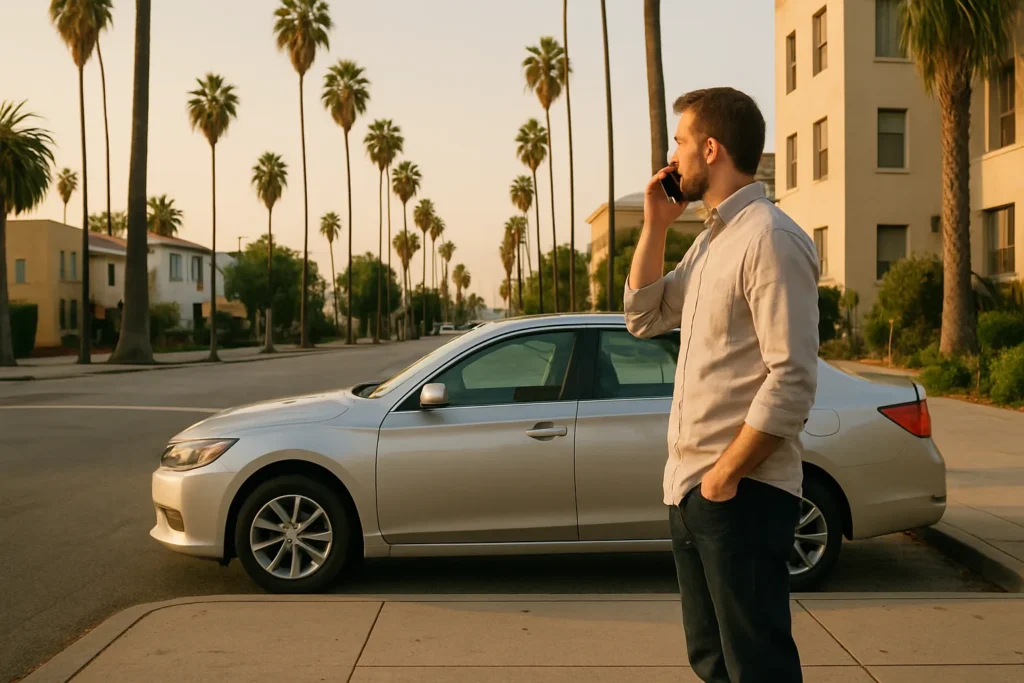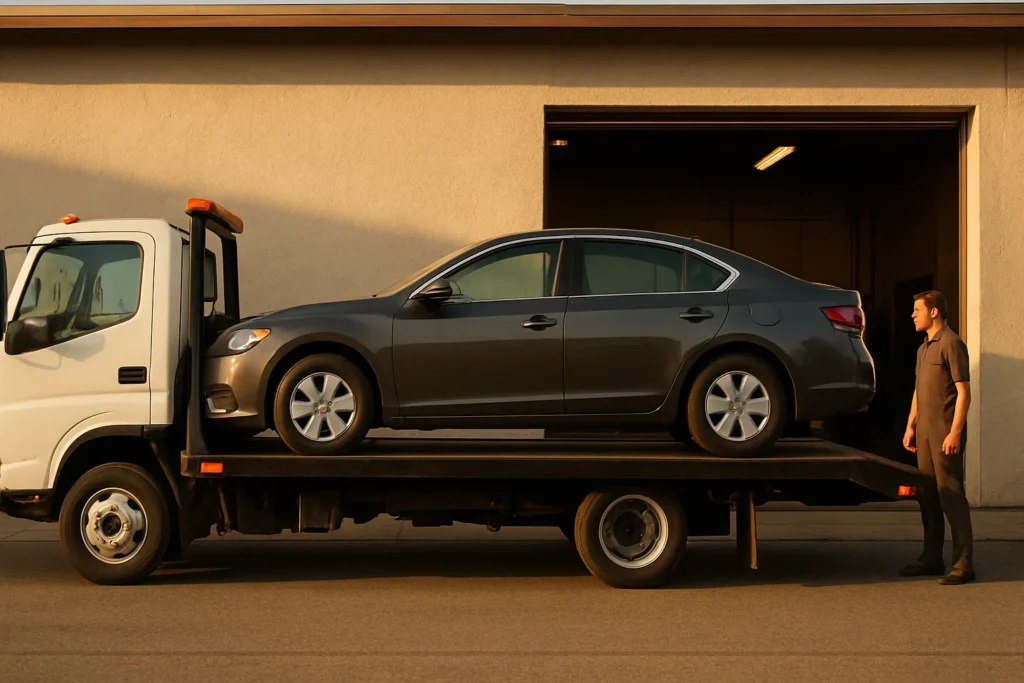






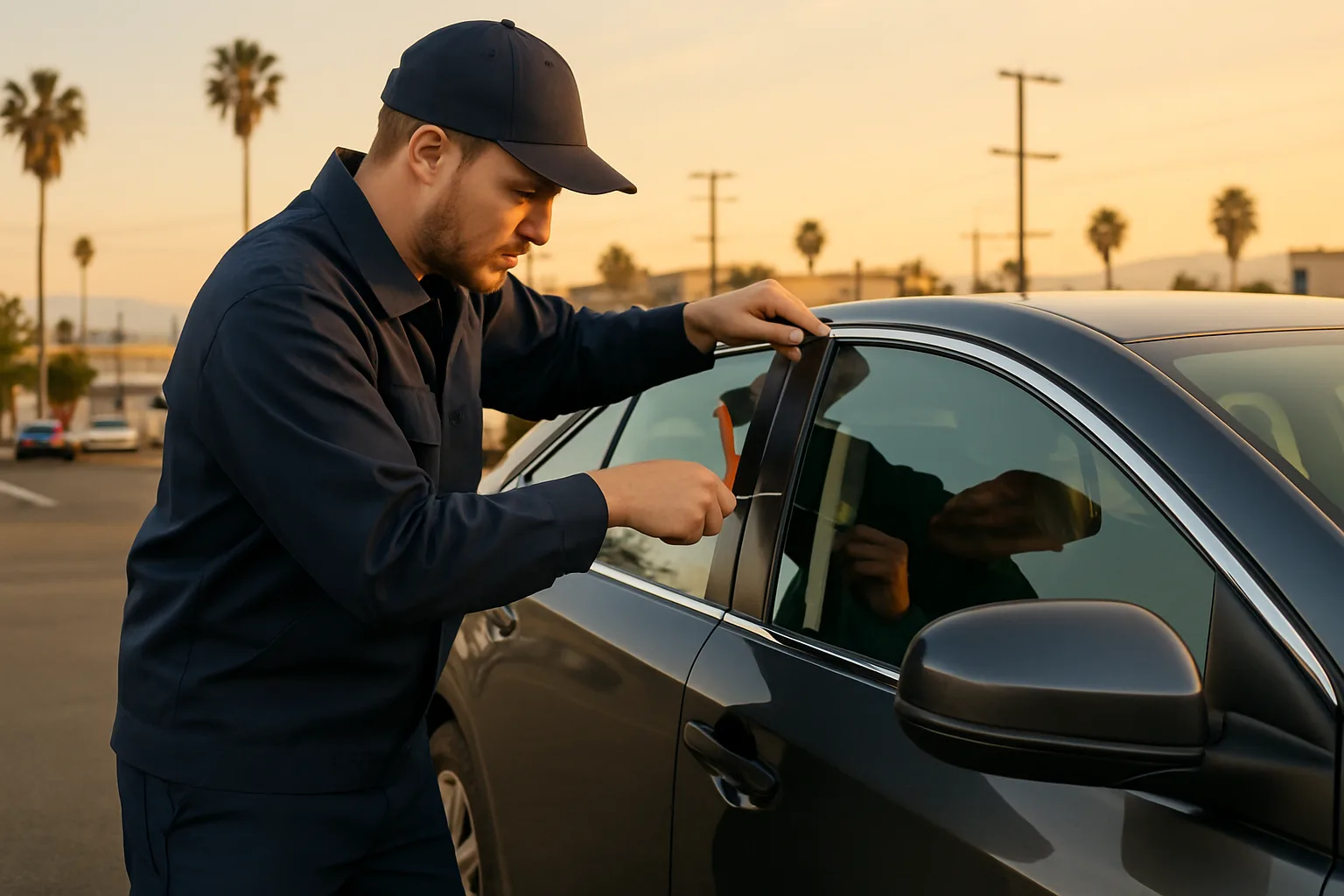
Locking keys inside a car is frustrating, but a professional lockout call follows a straightforward process. The dispatcher confirms the vehicle and location, the technician checks authorization, and the entry method is chosen based on the door, window frame, lock system, and available working space. The goal is to restore access without damaging paint, glass, weather stripping, or the locking mechanism.
Knowing what to expect helps you prepare the right information and recognize when a different service, such as towing or battery assistance, is actually needed.
The Dispatcher Confirms the Situation
Vehicle and key details
Provide the year, make, and model, then explain where the keys are. They may be visible on a seat, locked in the trunk, missing, or inside while the engine is running. Say whether a child, pet, or vulnerable person is inside. If anyone is in immediate danger, call 911 rather than waiting for routine service.
Tell dispatch about unusual security systems, frameless windows, damaged doors, or a dead vehicle battery. Some electronic locks behave differently when the battery is depleted.
Exact location and access
Give the street and cross street, parking-lot entrance, garage level, or driveway instructions. Mention a locked gate, low-clearance garage, active traffic lane, or property-security requirement. A safe curb or lot allows careful work; an exposed shoulder may require the vehicle to be moved or the scene protected first.
Drivers can confirm local coverage through the Van Nuys towing area or Burbank towing area.
The Technician Verifies Authorization
Be ready to show identification and proof that you are authorized to access the vehicle. If the registration is locked inside, explain that before arrival and have another form of ownership or authorization available when possible. For a rental, fleet, employer, or borrowed vehicle, the technician may need confirmation from the responsible party.
This step protects vehicle owners and technicians. A legitimate car lockout service should not bypass reasonable authorization checks simply because someone is in a hurry.
The Vehicle Is Assessed Before Entry
Door and window construction
The technician looks at the window frame, seals, lock controls, and door condition. A method suitable for one vehicle may be wrong for another. Frameless glass, tight weather seals, laminated windows, and side airbags require extra care.
Tell the technician if the door was previously damaged or repaired. Existing misalignment can change how the glass and seal respond to pressure.
Non-destructive tools and controlled movement
Professional entry tools are designed to create controlled access without smashing glass or forcing the lock cylinder. The technician protects contact points, uses only the space needed, and watches the weather stripping and glass throughout the process. The exact tool sequence depends on the vehicle and is not something a stranded driver should improvise with coat hangers or metal rods.
What You Should Do During the Service
Stand where the technician can work without interruption and keep children or pets away from the door. Do not pull on the handle, push the glass, or insert another object while tools are in place. If the engine is running in an enclosed garage, alert the technician and building staff immediately so ventilation and safety can be addressed.
Keep your identification, phone, and payment method with you rather than inside a bag resting in the vehicle. If the car is stopped in an unsafe location, roadside assistance may coordinate the lockout with moving the car.
After the Door Opens
Inspect basic operation
Retrieve the keys, start the vehicle, and check that the door closes, locks, unlocks, and seals normally. Look at the weather stripping and window alignment. Report anything unusual before the technician leaves so it can be examined in the same lighting and position.
If the car still does not start, the lockout and the no-start condition may be separate problems. The article on common reasons a car will not start explains battery, starter, fuel, key, and electrical clues.
When a Lockout Becomes a Tow
A missing key, damaged ignition, failed electronic key system, locked transmission, or another mechanical problem may prevent the car from being driven after entry. Share the drivetrain and whether the wheels roll. The technician or dispatcher can determine whether the vehicle should go to a dealer, locksmith, repair facility, or another destination.
Do not force the ignition or repeatedly press controls when the vehicle reports a security fault. Preserve the condition for proper diagnosis.
Reduce the Chance of Another Lockout
Set a routine for checking that the key is in your hand before closing the last door or trunk. Replace a weak key-fob battery according to the manufacturer’s instructions and keep a spare with a trusted person rather than hidden on the vehicle. Learn how the mechanical key works before an emergency, especially if the exterior key cylinder is concealed.
Phone-based keys and remote apps can be useful, but they depend on battery power, account access, and connectivity. Treat them as another access method rather than the only plan.
Need Car Lockout Help in Los Angeles?
Maps Towing serves Greater Los Angeles from our Van Nuys and Burbank offices. Call for your current ETA; arrival depends on location, traffic, truck availability, service type, weather, and access. For 24/7 help, Call (818) 797 – 1560.
Share: