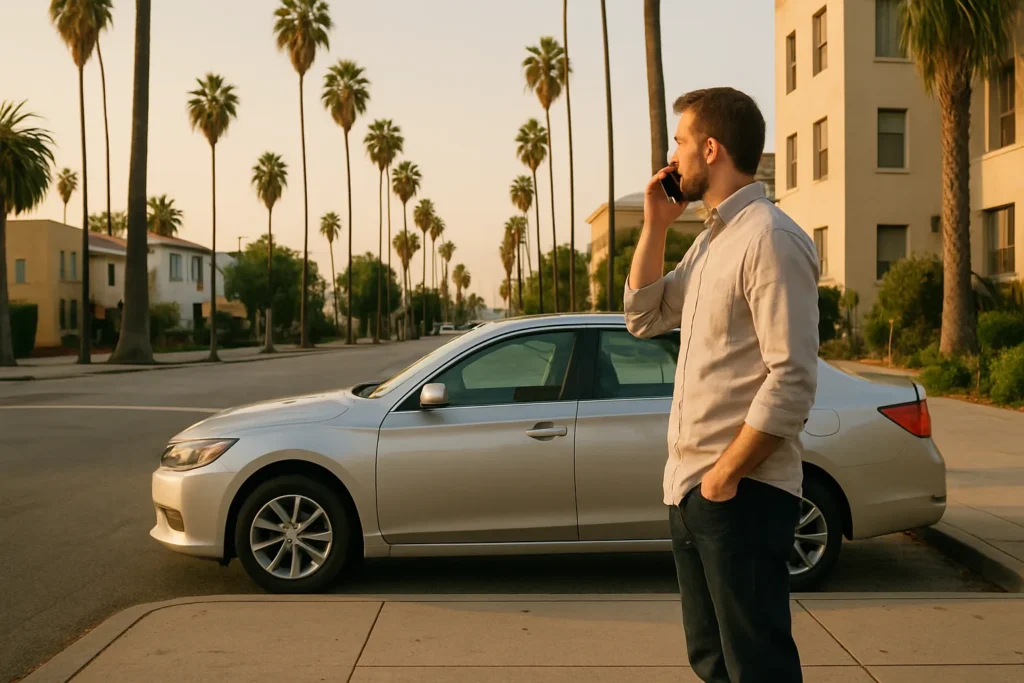





Running out of gas in Los Angeles can turn an ordinary drive into a stressful roadside stop. Long freeway stretches, slow traffic, steep grades, and an unfamiliar neighborhood can make the situation feel more urgent, but the safest response is usually simple: get out of traffic, make yourself visible, and arrange help without taking unnecessary risks.
A professional fuel delivery service in Los Angeles can bring the correct fuel to your location so you can reach a nearby station. The steps you take before help arrives matter just as much as the delivery itself.
Move to the Safest Available Location
If the engine begins losing power, signal early and use the vehicle’s remaining momentum to move as far from active traffic as conditions allow. A parking lot, side street, or wide shoulder is better than stopping in a travel lane. Turn on the hazard lights and set the parking brake once the vehicle is stationary.
On a freeway, stay inside with the seat belt fastened when the vehicle is safely out of traffic and there is no immediate danger such as smoke or fire. Walking along a freeway shoulder to search for a gas station exposes you to fast-moving vehicles and limited escape space. Our guide to Los Angeles freeway breakdown safety explains how to wait more safely on busy roads.
Confirm That Fuel Is the Likely Problem
An empty fuel gauge is a strong clue, but a stalled engine can have other causes. A weak battery, overheated engine, electrical fault, or mechanical problem may produce similar symptoms. Think about the last fuel stop, whether the low-fuel warning appeared, and whether the engine gradually lost power or stopped suddenly.
Do not repeatedly crank the engine. Multiple start attempts can drain the battery and make diagnosis harder. Tell dispatch what the dashboard showed and what happened immediately before the vehicle stopped. That information helps determine whether roadside assistance or a tow truck is the more suitable response.
Give Dispatch Precise Information
Los Angeles addresses do not always identify a vehicle’s exact position. Share a freeway name and direction, the nearest exit, cross streets, a parking structure level, or a recognizable business. A phone location pin can help, but add a plain-language description so the driver can identify the correct side of the road.
Dispatch will also need the vehicle’s year, make, and model, along with the required fuel type. If you are unsure whether the car needs regular gasoline, premium gasoline, or diesel, check the fuel-door label or owner’s manual. Never guess. Putting the wrong fuel into a vehicle can cause a much larger problem than an empty tank.
What Happens During Emergency Fuel Delivery?
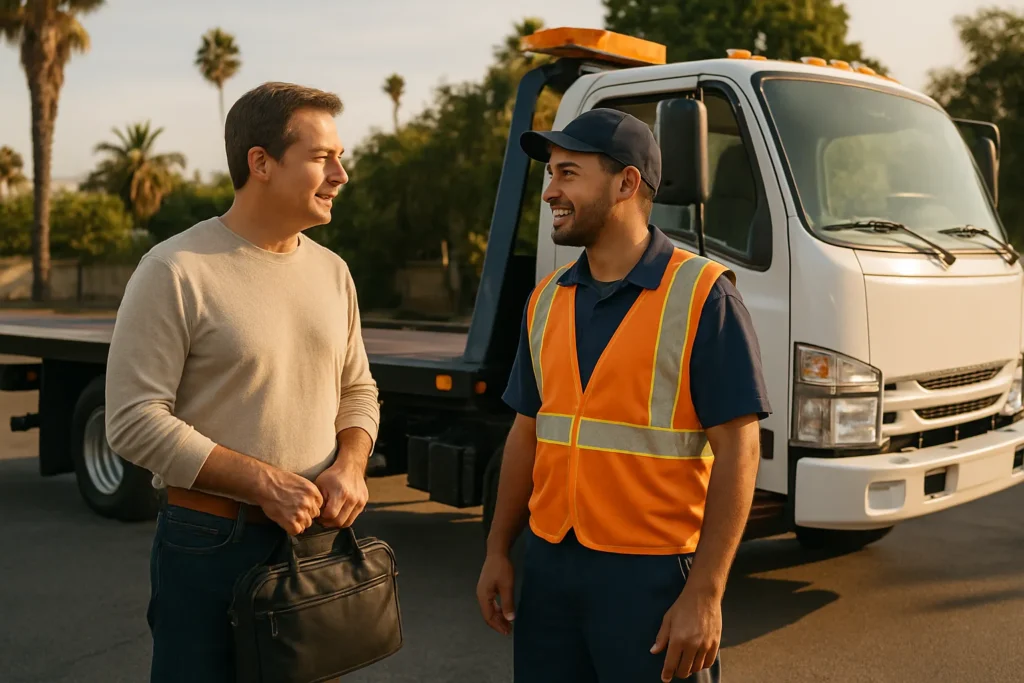
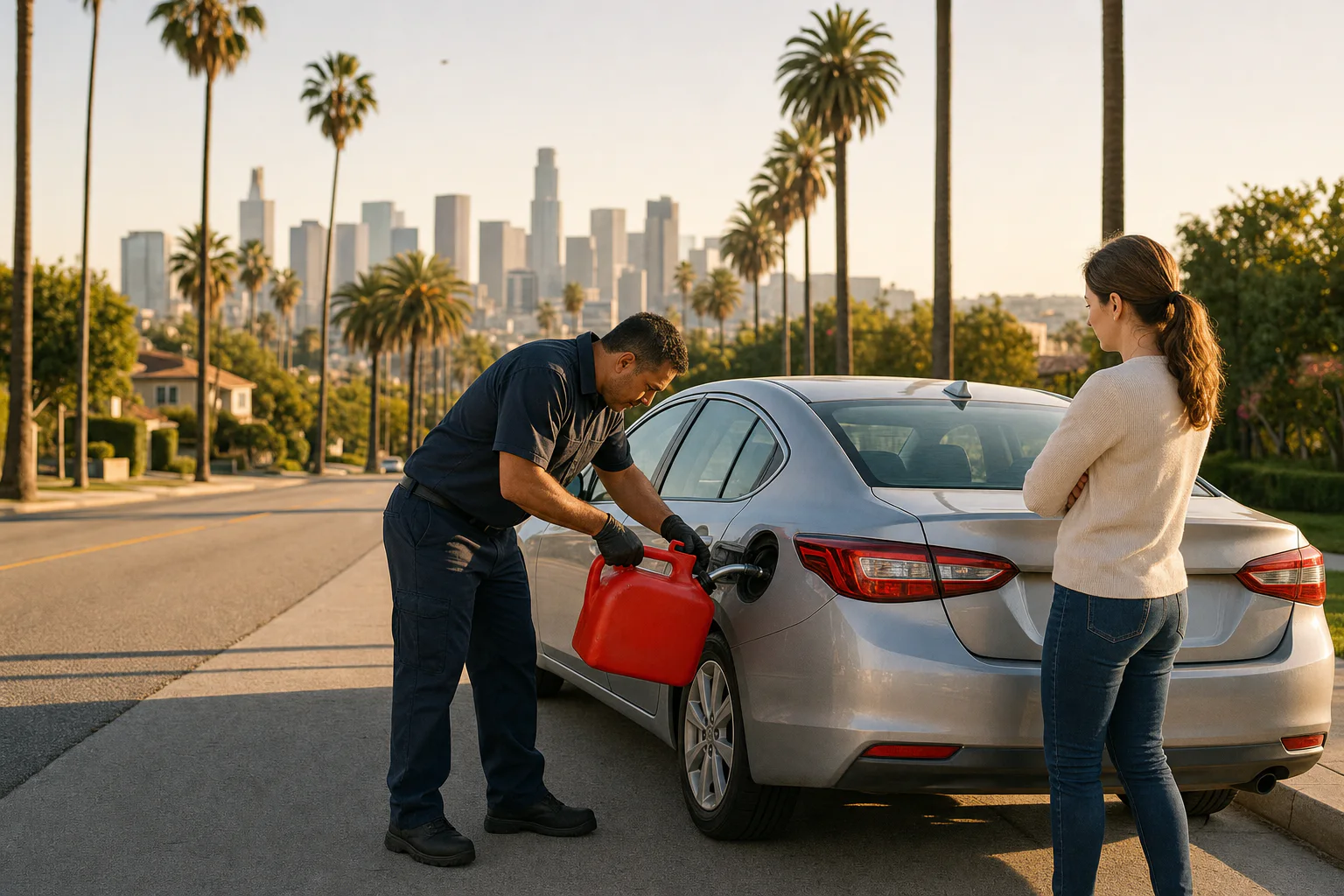
The technician arrives with an approved fuel container and enough compatible fuel to help you reach a nearby station. Before adding fuel, the technician confirms the vehicle and fuel type, checks that the car is positioned safely, and looks for obvious signs that the problem may be something other than an empty tank.
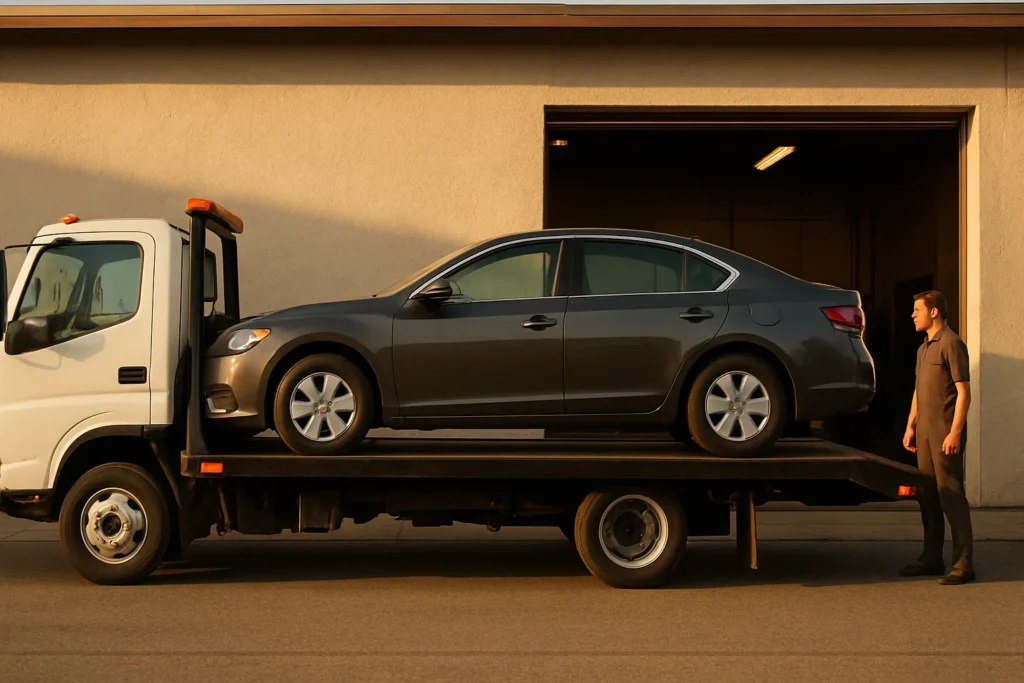
After the fuel is added, the vehicle is started and briefly observed. If it runs normally, you can proceed carefully to a station and fill the tank. If it still will not start, the issue may involve the battery, fuel system, or another component. In that case, the next step may be diagnostics or emergency towing to a repair facility.
When Fuel Delivery Is Not Enough
A tow is usually more appropriate when the vehicle is damaged, leaking fluid, blocking traffic, or showing warning signs unrelated to fuel. It is also safer to avoid starting the engine if diesel was added to a gasoline vehicle or gasoline was added to a diesel vehicle. Tell dispatch immediately if the wrong fuel may be involved.
Access can also change the response. A vehicle stopped in a narrow lane, construction zone, steep driveway, or restricted parking garage may need to be moved before fuel can be delivered safely. Describe these conditions during the first call so the team can send suitable equipment.
How to Avoid Running Out of Gas Again
Refuel before the gauge reaches empty, especially before entering congested freeways or canyon roads where the next station may be inconvenient. If the gauge drops unpredictably, have the sending unit inspected. Keeping a phone charger in the vehicle and knowing how to share your location can also shorten the time spent explaining where you are.
Do not store a filled gasoline container in the passenger compartment or trunk as a routine backup. Fuel vapors and spills create serious hazards. Planning an earlier stop is safer than carrying fuel around Los Angeles.
Get Fuel Delivery in Los Angeles
Maps Towing provides 24/7 towing and roadside assistance across Greater Los Angeles from dispatch hubs in Van Nuys and Burbank. If your tank is empty, call (818) 797-1560 and share your location, vehicle, and fuel type. We will arrange the appropriate available response and help you get moving safely.
Share: